How to Remove Water Streaks on Wall: Garage Fixes & Prevention Tips for Car Owners
December 30, 2025

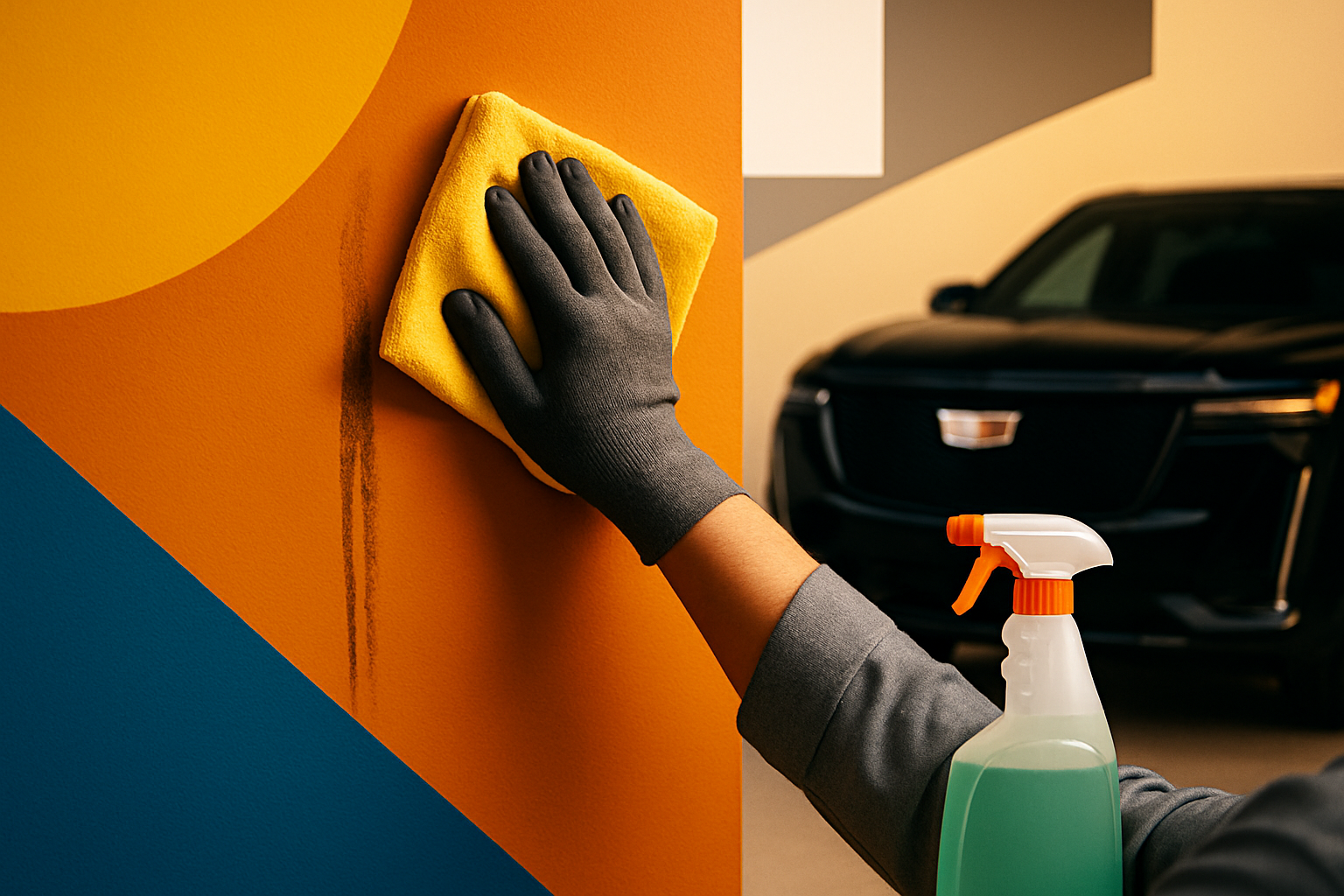
If you washed your car at home and noticed stubborn water streaks on wall surfaces in the garage, you are not alone, especially in San Diego where salt air, bright sun, and dust often conspire to leave marks everywhere. Those streaks can look like muddy fingers, glassy drip lines, chalky trails, or faint brownish veins, and each appearance hints at a different cause. The good news is that you can identify the type in minutes and choose a safe, effective fix that restores a clean, even wall. In this guide, you will learn practical steps for drywall, concrete, and epoxy finishes, plus prevention tactics that match San Diego’s coastal climate, and you will see how Zs Clean San Diego LLC (Limited Liability Company) helps you stop the streaks at the source by improving wash habits and providing mobile vehicle detailing at your location (we bring fully self-contained water and power for our services).
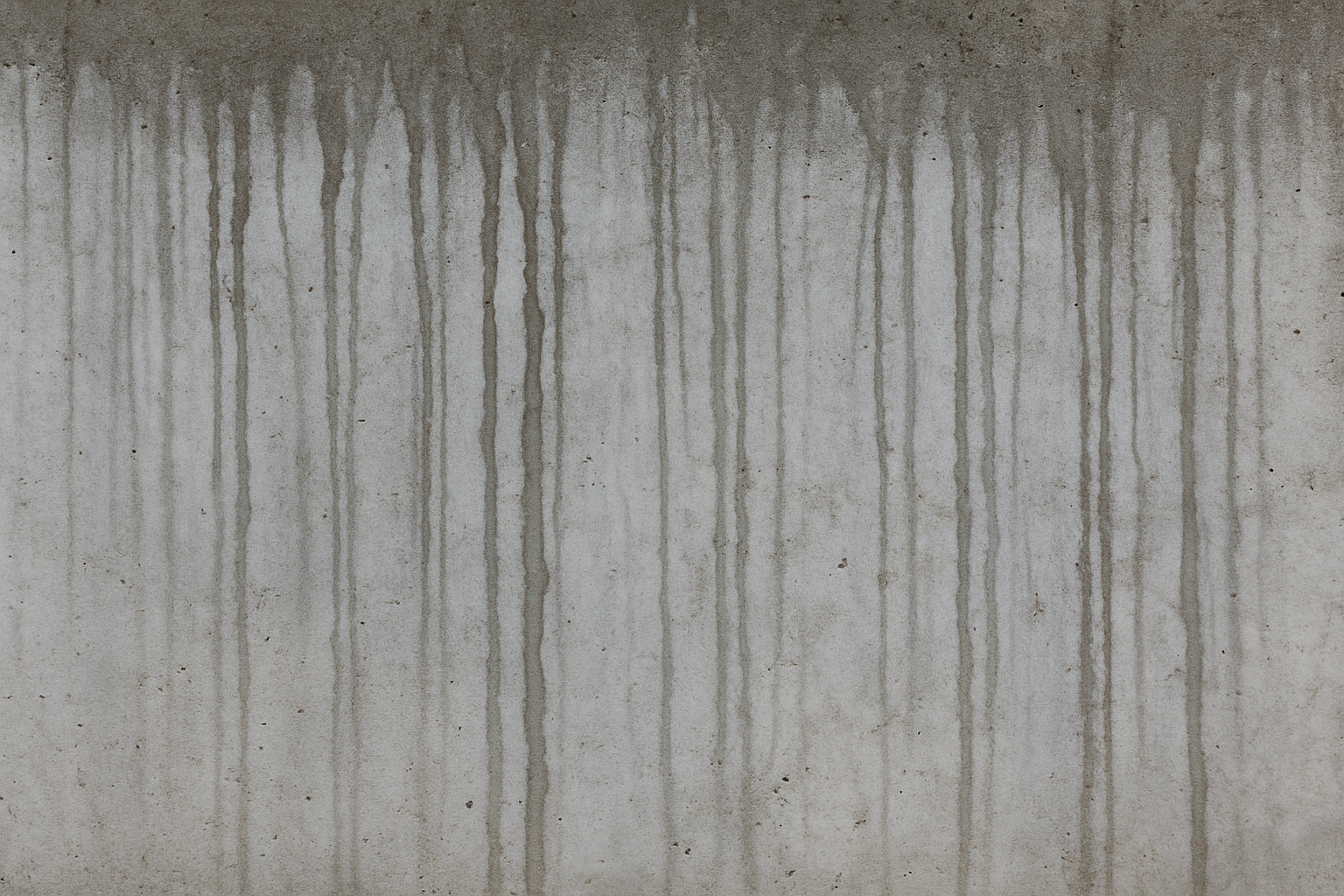
Garage walls collect overspray from rinses, mist from foam guns, and humid air from wet vehicles, so streaks form whenever water dissolves something on the surface and then drags it downward as it dries. In San Diego, hard water can be a big contributor because mineral content often ranges from 180 to 300 ppm (parts per million), which leaves calcium and magnesium residue that dries into chalky, white tracks. Salt carried inland on coastal breezes bonds with moisture and dust to create translucent drips that seem to reappear after every wash, while roof or plumbing leaks create tannin or rust discoloration that shows up as yellow-brown trails. Fresh paint can show surfactant leaching, a harmless but shiny or brownish streaking triggered by moisture, and unsealed masonry can develop efflorescence, the powdery white film that forms when dissolved salts migrate to the surface. Because each cause needs a different cleaner, the fastest path to a lasting fix is a quick diagnosis based on color, texture, and how the stain reacts to a few simple tests that you can perform in under ten minutes.
Before you reach for the strongest cleaner in the cabinet, run a few quick checks, because a targeted method works faster, protects paint, and prevents new damage. First, wipe a small section with a white microfiber dampened with plain water to see if the streak is mostly surface dust or road film dragged down by rinses; if it lightens quickly, you can stick to gentle soap. Next, dab a cotton swab with household white vinegar and touch the chalkiest part for thirty seconds; if it softens and wipes away, minerals are involved and a mild acid will help, while no reaction suggests grime, surfactants, or organic material. Finally, inspect above the streak for sources such as a leaky roof seam, an irrigation pipe, or a metal fastener that has bled rust, and if you suspect moisture movement in masonry, press a piece of plastic to the wall for an hour to see if condensation forms behind it, which points to vapor intrusion that must be addressed to stop the cycle.
To help you better understand water streaks on wall, we've included this informative video from Vanesa Amaro. It provides valuable insights and visual demonstrations that complement the written content.
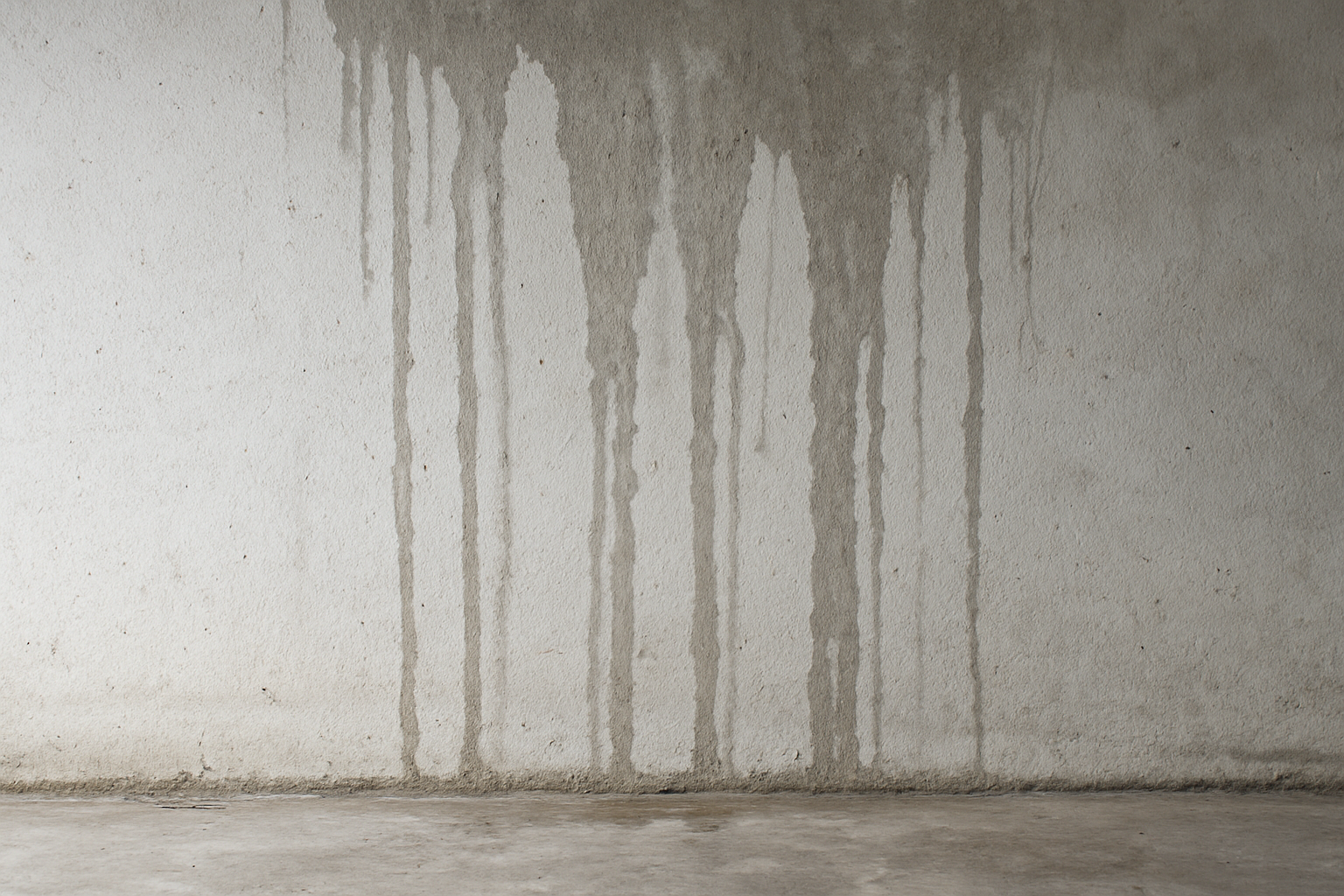
Once you know the cause, choose the lightest effective method first, because over-scrubbing drywall or etching epoxy can create permanent sheen differences that show through even after repainting. For painted drywall with mineral or salt streaks, mix warm water with a few drops of dish soap and add a splash of white vinegar to create a mildly acidic solution, wipe gently with a soft sponge from the bottom of the streak upward to avoid new drip lines, and then rinse with clean water before drying with a lint-free towel. If surfactant leaching is the culprit on recently painted walls, clean with warm water only, dry thoroughly, increase airflow for a week, and expect the streaks to fade as the paint fully cures, since this issue is cosmetic rather than structural. For mildew-smelling streaks, use a diluted household bleach solution at 1 cup bleach per gallon of water, keep windows open, protect floors, never mix bleach with ammonia or acidic cleaners, and after the area dries, consider repainting with a high-quality acrylic that resists moisture.
Concrete or block walls respond best to dry methods followed by careful wet cleaning, so start with a stiff nylon brush to remove loose efflorescence. For persistent efflorescence or when considering stronger chemical cleaners or waterproofing, consult a masonry or building-restoration professional who can recommend safe products and proper sealing; avoid aggressive DIY acid washes on structural masonry without professional guidance. For epoxy-coated walls, keep it gentle: use a pH (potential of hydrogen)-neutral car shampoo diluted per label, apply with a soft wash mitt, and rinse with low pressure water, because high pressure above 1,200 PSI (pounds per square inch) can compromise coatings and force moisture into seams; for small rust drips on or near an epoxy surface, a household rust-stain cleaner can help—if stronger chemicals like oxalic acid are needed, follow product instructions carefully or hire a professional. Whenever possible, catch rinse water with towels at the base of the wall to prevent fresh trails, and consider a short strip of removable splash guard near the wash zone to intercept droplets before they mark the surface again.
Streaks start with water standing on the wall, so prevention is all about directing spray, reducing humidity, and improving how water dries after you finish the car. In San Diego, summer afternoons and Santa Ana winds create temperature swings that condense moisture on cool garage walls, so add cross-ventilation with a fan positioned to blow across the wall for ten minutes after each wash, and crack the door to let humid air escape. If you wash in the garage driveway, use a foam cannon with a low-overhead pattern aimed away from walls, stand farther back for the rinse to reduce rebound, and try a sheeting rinse that lets water fall off the car in sheets instead of atomizing into fine mist. Hard water is a major factor, so consider a small deionized rinse system or at minimum a final rinse with filtered water to lower total dissolved solids (TDS), which reduces the mineral content that dries into chalk, and always finish with a towel or fan to avoid drips on both the car and the wall.
Most streaks trace back to a few small habits during wash day, so a couple of pro tweaks make a visible difference for both the wall and the vehicle’s finish. Use the two-bucket method with grit guards to keep dirt in the rinse bucket, because cleaner mitts sling less grime toward nearby walls and reduce the need for strong cleaners on paint later. Choose a pH (potential of hydrogen)-neutral shampoo and keep your foam dwelling on the car, not the wall, by adjusting the nozzle to a wider, lower-energy pattern that does not bounce off panels, and reduce spray by starting your rinse at the roofline and letting water flow down in sheets. If you use a pressure washer, set it to a sensible 1,000 to 1,200 PSI (pounds per square inch), stand back at least two feet, and avoid sharp angles that atomize water into the garage; for the final rinse, consider a spot-free deionized sprayer to cut minerals, then dry with a soft towel or filtered air so you do not reintroduce drips that re-mark the wall a few minutes later.
Zs Clean San Diego LLC (Limited Liability Company) uses the same science-backed approach on every driveway visit, because the right technique protects paint and keeps your garage clean. Our in-house trained technicians practice precise foam application, low-overspray rinsing, and smart drying, which means less airborne mist that would otherwise drift onto walls, bikes, or storage shelves. When we recommend ceramic coating or paint correction, it is never to upsell, but to address the exact way San Diego’s sun, salt air, and dusty roads shorten the life of paint, trim, and wheels; with a coated surface, you use less product and less water at home, so there is less runoff to streak the garage. That is the same reason we bring top-tier, manufacturer-recommended products and operate in a clean, controlled workspace when needed, because consistent processes and premium chemistry prevent both paint damage and wall messes long after a service appointment ends.
From La Jolla to Chula Vista, the combination of sun, salt, and dust demands a smarter care plan for cars and garages, and that is exactly where Zs Clean San Diego LLC (Limited Liability Company) excels. Many owners tell us they do not know whom to trust after dealing with untrained techs, cheap products that failed within months, or high-pressure pitches that felt more like sales than service; we built our approach to be the opposite of that experience. We send in-house trained technicians with hands-on experience, use only premium, manufacturer-recommended products, and provide transparent pricing with no upselling, so you know exactly what you are getting and why. Whether it is interior and exterior detailing, targeted paint correction, or long-term ceramic coating, our honest recommendations match your car, your lifestyle, and your washing habits, which reduces overspray, keeps walls cleaner, and protects your investment against San Diego’s climate.
Here is a quick example: a Point Loma homeowner washed a ceramic-coated coupe beside a concrete wall and noticed thin, white trails that kept returning after foggy nights. We lowered the pressure to 1,000 PSI (pounds per square inch), adjusted the foam pattern, recommended a final deionized rinse to cut total dissolved solids (TDS), and recommended that the owner engage a masonry contractor to clean persistent efflorescence and apply a breathable sealer. The streaks stopped, the wall stayed clean, and the owner spent less time wiping and more time enjoying a car that looked freshly detailed every week. When detailing and home maintenance work together, both your garage and your vehicle look better, and your Saturday morning suddenly feels a lot more relaxed.
If you want a do it yourself (DIY) checklist that prevents most garage streaks in San Diego, start by controlling the micro-environment where you wash and dry. A small floor squeegee keeps rinse water from pooling at the wall base, a $20 box fan aimed across the surface pulls moisture away before it condenses, and a soft, absorbent towel stationed at the wall catches the occasional drip that escapes your rinse pattern. Upgrade to a gentle, pH (potential of hydrogen)-neutral shampoo and a final rinse with filtered water when possible, and consider a simple splash strip or removable wainscot in high-spray zones that can be wiped clean in seconds. If you are repainting, ask your painter for a high-quality acrylic satin with low VOC (volatile organic compound) content for easy cleanup and good moisture resistance, and if your garage is enclosed, make sure your HVAC (heating, ventilation and air conditioning) filter is fresh or add a portable unit with a HEPA (high efficiency particulate air) filter to cut airborne dust that bonds with moisture.
When you want professional help without the hassle, Zs Clean San Diego LLC (Limited Liability Company) brings fully self-contained mobile detailing to your location (driveway) and works with the realities of San Diego’s climate. Our technicians show you how to aim rinses, set up fans, and use less aggressive tools while protecting your paint with coatings that reduce water use and streak potential. Because we prioritize clean, controlled workspaces and premium products, you get consistent results that look great and help keep your garage walls looking fresh long after we pack up the van. That is how expert detailing becomes a smart home improvement as well as an automotive upgrade.
Here is the bottom line: identify the stain, match the cleaner, control the rinse, and you can erase streaks while keeping both paint and garage walls in their best shape. Imagine twelve months from now, with a wash routine that uses less water and zero drama, a wall that stays clean through foggy nights, and a car that beads water like new after every drive up the coast. What small tweak will you test first this weekend so those water streaks on wall surfaces finally stop stealing the shine from your garage and your car?
Explore these authoritative resources to dive deeper into water streaks on wall.
Mobile detailing delivered to your location (driveway) safeguards paint with correction and ceramic coating, using trained technicians and premium products for San Diego owners, enthusiasts, and busy professionals. We bring fully self-contained water and power for our mobile services.
Schedule Mobile Detail




ZS Clean is committed to your satisfaction and your comfort. We tailor our service system to make your life simpler and easier—saving you time and giving you peace of mind.