Does paint correction fix swirl marks
January 4, 2026

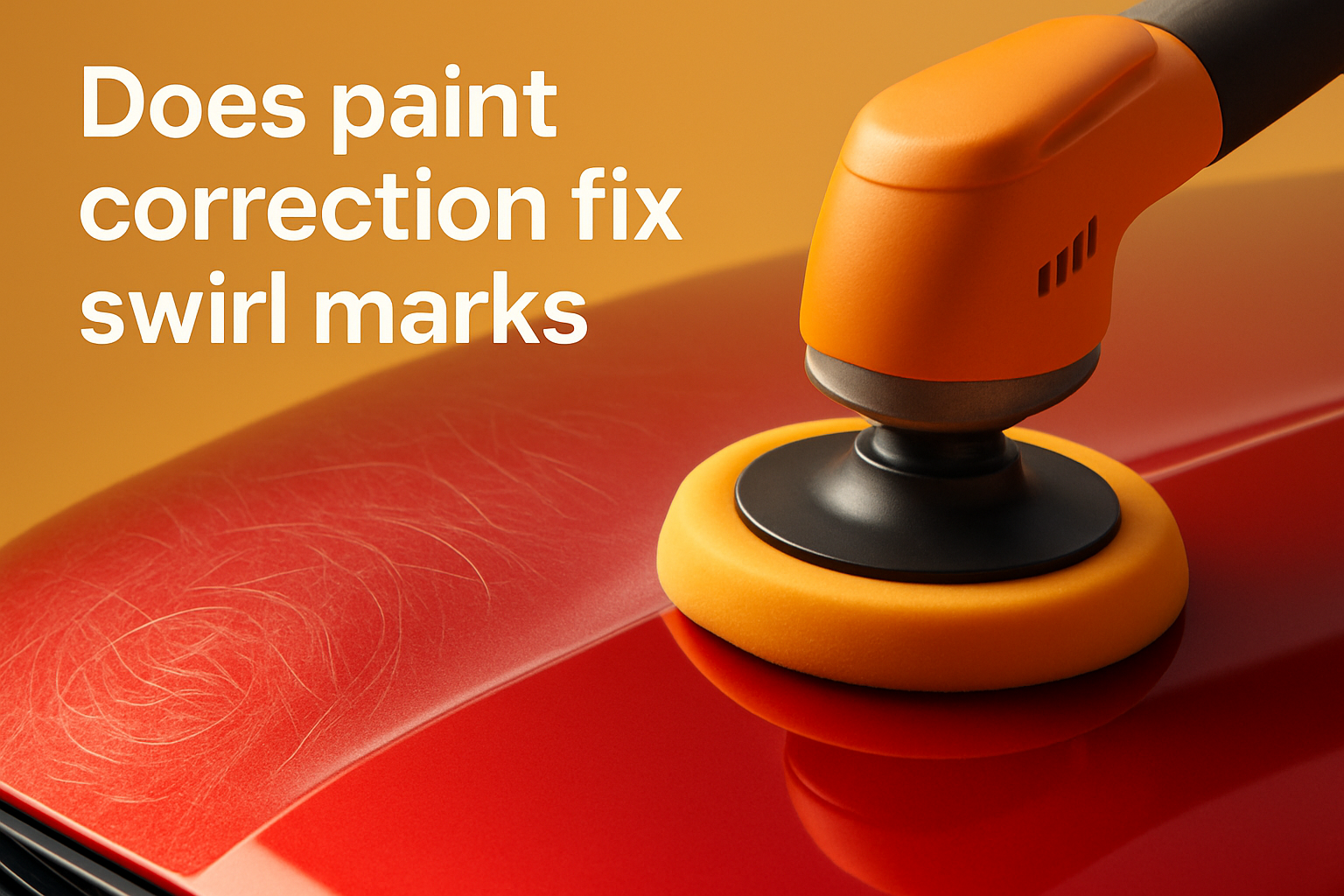
San Diego sun meets salty coastal air every day, so it is fair to ask: does paint correction fix swirl marks or just mask them for a moment? If you have wondered can paint correction remove swirl marks and light scratches, you are not alone, because these micro-defects show up fastest on black and dark colors. Think of swirls as thousands of tiny, shallow trails in the clear coat that scatter light; when the surface is leveled with precise polishing, reflections sharpen and depth returns. In this guide you will learn what paint correction truly does, where its limits are, how ceramic coating anchors the results, and how local factors like ocean breeze, dust, and year-round sun play into your plan.
While we will keep things practical and jargon-light, you will see why a proper inspection, measured approach, and smart protection strategy matter. Zs Clean San Diego LLC serves car owners who want trustworthy, premium auto care without pressure, bringing trained technicians, manufacturer-recommended products, and a controlled workspace to your driveway. Because San Diego’s coastal air, constant ultraviolet (UV) exposure, and dusty canyon winds accelerate wear, swirls and light scratches are more than cosmetic; they are early warnings that the clear coat is taking a beating. Understanding the science behind correction and protection helps you choose wisely and keep your vehicle looking newer, longer.
Yes, when done correctly, paint correction is designed to remove swirls and many light scratches by carefully leveling the top microns of the clear coat. Imagine a cross-section of your paint system: primer, color, and clear coat. Swirl marks mostly live in the top of the clear layer, so controlled abrasion using compounds and polishes smooths those peaks and valleys until light reflects cleanly again. Industry estimates suggest 80 to 90 percent of visible paint defects on daily drivers sit in the clear coat, not in the color layer, which is why a measured, two-stage or three-stage machine polish often delivers dramatic clarity. However, if a scratch catches your fingernail or you can see color beneath the clear, correction will improve it cosmetically but cannot fully remove it without risking excessive clear-coat thinning.
To avoid over-promising, it helps to separate defects by depth and location. Micro-marring, light wash-induced swirls, and mild oxidation respond well to polishing. Random isolated deep scratches and chips need targeted sanding, touch-up, or even refinishing if they have penetrated the clear coat. The art is in choosing the least aggressive method that achieves the desired improvement while preserving long-term paint health. That balance, backed by experience, tools, and product knowledge, is what transforms results from short-lived shine to lasting finish.
Swirls are often called “wash marks” for a reason. In Southern California, airborne salt crystals, beach sand, inland dust, and wildfire ash settle on paint, and hurried washing rubs those particles in like fine sandpaper. Automatic brushes, dirty drying towels, and dry wiping multiply the damage. Add intense UV (ultraviolet) radiation that embrittles the clear coat and you have a recipe for dullness. The good news is that most of these defects are preventable when you know the triggers and adjust your wash routine.
To help you better understand can paint correction remove swirl marks and light scratches, we've included this informative video from Stauffer Garage. It provides valuable insights and visual demonstrations that complement the written content.
Because these factors are so localized, San Diego vehicles benefit from a protection-first mindset. Ceramic coatings, regular decontamination, and gentle wash techniques reduce the friction that causes new swirls. The table below summarizes the local exposures and what they do to your paint.
True correction begins with inspection. A technician illuminates the paint with high-CRI lighting, gauges paint thickness, and maps defect patterns. Next comes decontamination to free bonded iron and pitch, because polishing over contaminants shreds the pad and the surface. Test sections then determine the lightest cut that achieves the goal, whether that is one-step polish for a commuter car or multi-step refinement for a show finish. Every choice, from pad fiber to compound abrasivity, targets control and consistency rather than brute force.
At Zs Clean San Diego LLC, in-house trained technicians work in a clean, controlled setup to avoid reintroducing dust while polishing. They use top-tier, original equipment manufacturer (OEM) recommended compounds, pads, and towels rather than off-label alternatives, and they document each step so you can see what was done and why. Transparent pricing and no upselling means you receive a plan matched to your goals and how you use your car, whether that is a one-step enhancement before a weekend drive up Highway 101 or a multi-stage correction for a collectible.
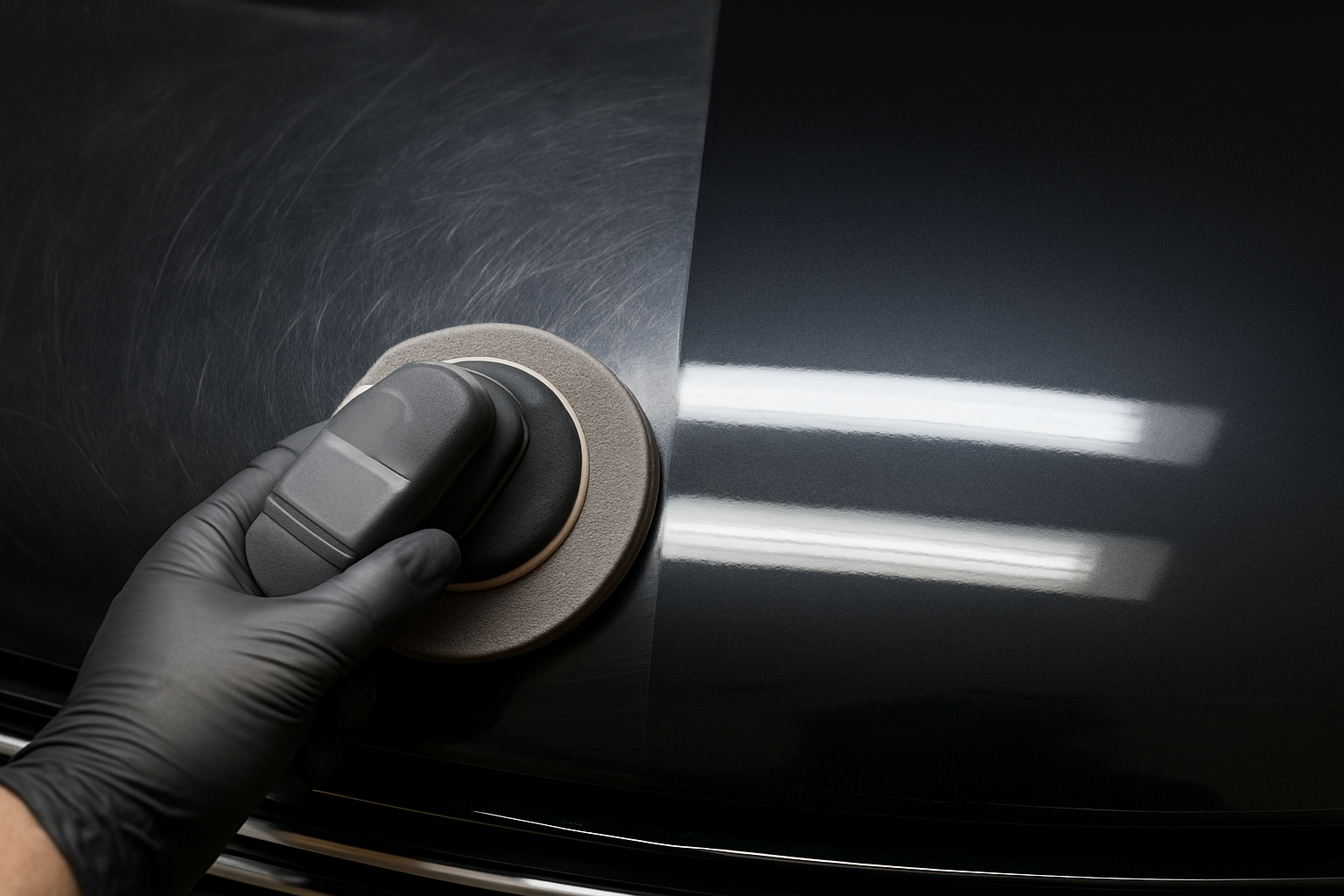
Correction removes a finite amount of clear coat. Because the clear layer protects color from the elements, preserving it is priority one. That is why pros measure, test, and refine instead of sending every panel through aggressive cutting. As a rule of thumb, if you cannot feel the scratch with a fingernail, there is an excellent chance it can be significantly reduced or removed. If you can feel it, improvement is likely but complete disappearance is not always prudent.
When expectations align with physics, satisfaction soars. You get a meaningful, measurable improvement now and a protective strategy to slow future defects. That way you avoid the cycle of chasing perfection at the expense of paint life.
Correction restores clarity by refining the existing clear coat; ceramic coating shields that clarity with a durable, chemical-resistant layer; and PPF (paint protection film) adds a thicker, sacrificial barrier that absorbs chips and heavier impacts. In San Diego, a smart plan often mixes these tools: correct the paint, ceramic coat the vehicle for easier maintenance, and add PPF (paint protection film) to high-strike zones such as the front bumper, hood leading edge, and mirrors. The table below helps frame the decision by purpose and longevity.
Zs Clean San Diego LLC focuses on honest, tailored recommendations. If you drive the 5 or 163 daily, ceramic on all painted panels plus PPF (paint protection film) up front can be ideal. If you garage a weekend car, a thorough correction followed by a premium ceramic may give you the sparkle you want with minimal upkeep. Either way, the goal is to protect your investment with the right tools, not upsell you to things you do not need.
Every vehicle and paint system differ, so credible providers share clear scopes and timelines. A compact with moderate swirls may need a one-step enhancement in a half day, while a large SUV with harder clear could require a full day or more to chase deeper defects. Transparent pricing matters as much as the process. With Zs Clean San Diego LLC you receive straightforward quotes tied to your vehicle’s condition and goals, not vague menus or pressure tactics.
Mobile convenience does not have to mean compromises. Zs Clean San Diego LLC brings a clean, controlled workspace to your driveway, uses top-tier, original equipment manufacturer (OEM) recommended compounds and coatings, and assigns in-house trained technicians who follow a consistent standard. You get consistent results where you are, backed by education on how to care for the finish so it stays clear longer in our local climate.
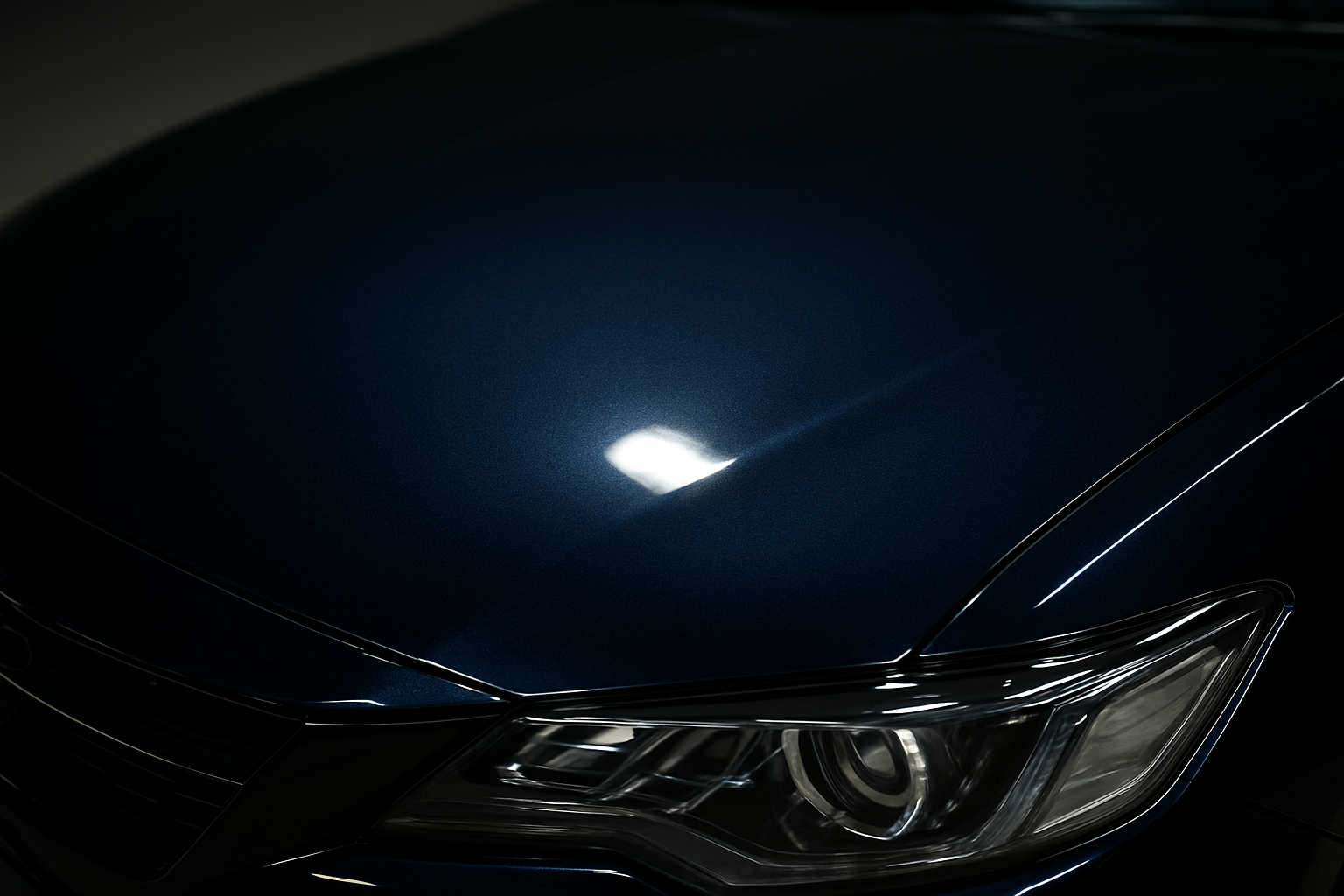
Once you have earned back that mirror-like gloss, keeping it means minimizing friction and contamination. The right habits save time and preserve the finish in San Diego’s sun and sea air. Ceramic coating is not a force field, but its slickness and chemical resistance dramatically reduce the effort to maintain the look you love.
Want a visual? Picture a simple diagram: a clear layer with shallow scratches at the top. Correction gently lowers the surrounding high points until the groove disappears. Then a ceramic layer adds a thin, smooth shield so future dirt skates off rather than grinding in. This is the cycle that keeps you in front of damage instead of repairing it over and over.
Many owners share the same pain points: untrained technicians, poor workmanship, cheap products that fail, and high-pressure sales. ZSC Auto Care (Zs Clean San Diego LLC) takes the opposite road by investing in in-house hands-on training, using premium products favored by manufacturers, and maintaining transparent pricing with no upselling. Equally important, the team sets up a controlled workspace at your location so dust does not settle on freshly polished panels, and every wipe, pad, and towel is clean and purpose-built.
Case in point: a coastal La Jolla daily driver arrived with heavy wash swirls, faint water-spot etching, and a few random deep marks on the hood. After decontamination and testing, a two-step correction refined 90 percent of defects without chasing the last microns of clear on edges. A multi-year ceramic coating added gloss and a slick, hydrophobic layer. Two months later, the owner reported faster, safer washes and fewer new marks despite weekly beach parking. Honest recommendations tailored to how you use your car mean you get outcomes, not pitches.
Think about your vehicle’s job: commuter, family hauler, or weekend gem. Consider where you park, how often you wash, and how long you plan to keep the car. If you are still asking whether can paint correction remove swirl marks and light scratches, the answer is yes for most daily-driver defects, especially when you pair correction with ceramic coating for day-to-day resilience. With San Diego’s sun, salt, and dust, a thoughtful plan protects your finish, your time, and your vehicle’s value while keeping the joy in every glance back at your car.
Paint correction fixes swirls by leveling the clear coat, and ceramic coating locks in the clarity while easing life in San Diego’s tough environment.
Imagine 12 months of simpler washes, brighter reflections, and fewer new marks because your finish is sealed against sun, salt, and grit. That is what a matched correction-and-protection plan delivers.
What would your daily drive feel like if your car looked freshly detailed every week, and your wash routine took half the effort?
Explore these authoritative resources to dive deeper into can paint correction remove swirl marks and light scratches.
Zs Clean San Diego LLC solves coastal wear with mobile, pro paint correction and ceramic protection by trained techs, premium products, honest pricing—serving San Diego owners, enthusiasts, and busy professionals.
Book Ceramic Coating



ZS Clean is committed to your satisfaction and your comfort. We tailor our service system to make your life simpler and easier—saving you time and giving you peace of mind.