Your Car Will Get Older. It Doesn’t Have to Look Older.
August 3, 2026

Your car probably looks almost exactly the same as it did yesterday. That is why it is so easy to believe that nothing is really happening to it.
Most people know that a car gets older. The part they fail to realize is that the damage begins long before the car actually looks old. Every day and every second that passes moves it a little closer to the point where some of that damage may no longer be easy to reverse.
Your car being parked in the same driveway does not mean that it remains in the same condition. Driving it creates wear, while leaving it outside exposes it to sunlight, moisture, dirt, bird droppings, and dozens of other contaminants most of us will never bother naming. Even inside a garage, time does not suddenly stop.
The part where most people get mistaken is simple: if they cannot see the damage, they assume it is not happening.
Many people only realize the vehicle needs attention once enough dust has accumulated to make it look dirty. Even then, it is easy to believe that the car only needs a good wash and everything will return to normal. Sometimes it will. Other times, the contamination has remained on the surface long enough to become more difficult to remove. Wiping dry dust across the paint can also create the small circular scratches that appear like spiderwebs under direct sunlight.
For several weeks or even months, the vehicle may continue looking fine. Eventually, its reflection is no longer as clear, the paint appears uneven in direct sunlight, and the entire vehicle simply looks older.
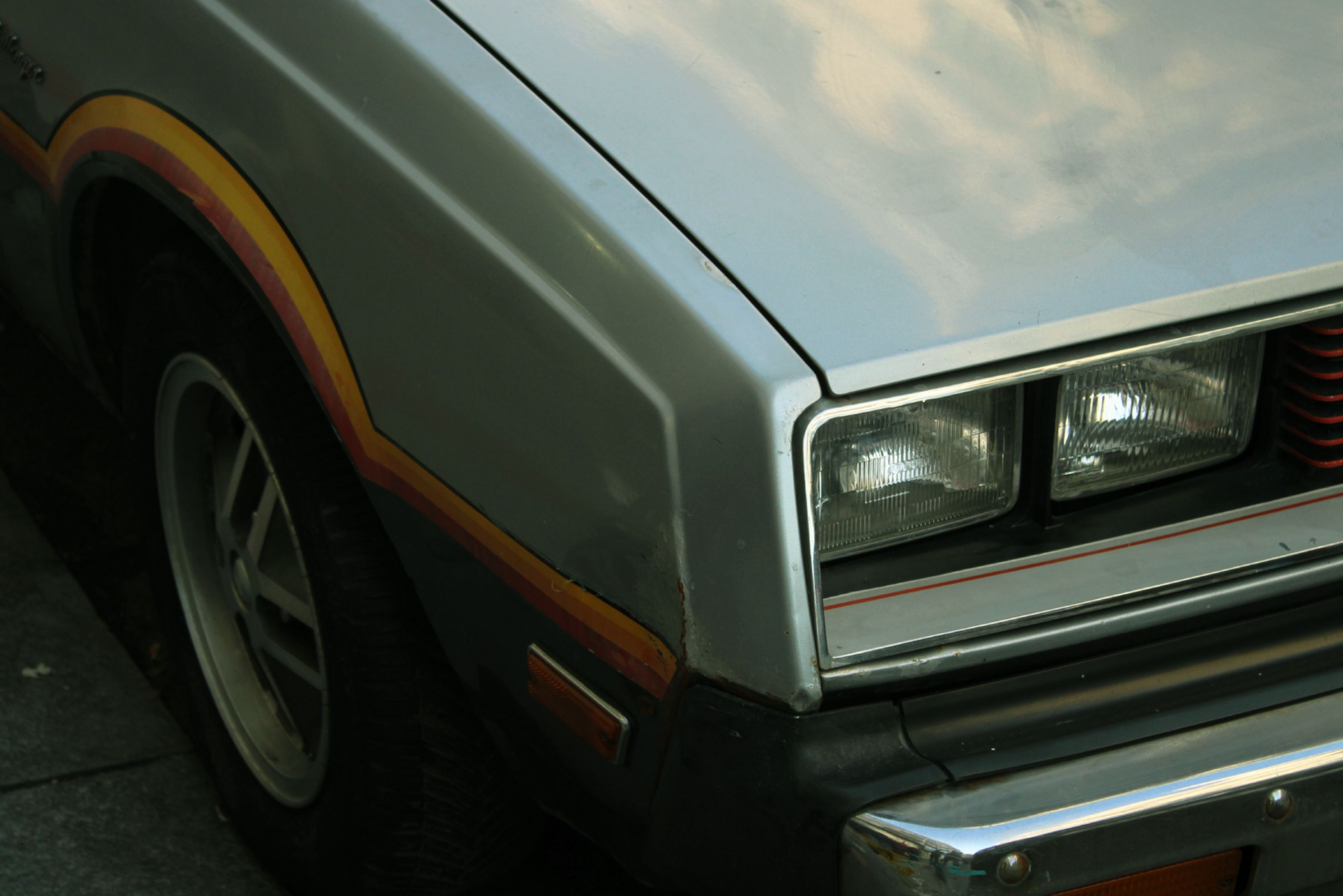
You have probably seen a car like this more than once. Its hood has cloudy areas, the paint is covered in circular marks, and the roof has slowly lost the color it once had. Inside, the seats are stained and the dashboard looks much older than the year written on the registration.
Most of these vehicles were not ruined by one event. Their condition changed through thousands of ordinary days when the damage was too small for anyone to worry about it. By the time it became obvious, it had already been happening for far longer than the owner realized.
If the aging of a vehicle cannot be stopped completely, how much can it actually be slowed down?
The outside of your car has a difficult job. It must remain exposed while protecting everything underneath it.
Automotive paint is not one simple layer of color. Modern vehicles generally have a clear outer layer that protects the color below it. That clear layer is where sunlight, minerals, road contamination, and improper washing begin leaving their marks.
Consider something as ordinary as a drop of water. The water may disappear, but the minerals inside it can remain on the surface. When this happens repeatedly, especially while the vehicle is sitting under the sun, those minerals become increasingly difficult to remove. The same general problem happens when dirt, bird droppings, insects, and other contamination remain on the paint for too long.
One water spot is unlikely to ruin a car. One week under the sun will not normally destroy the paint. The problem is repetition combined with time.
The car says nothing, so the owner says, “I’ll take care of it next week.” Next week becomes next month, and eventually a year arrives before the cleaning schedule does. It works like procrastination in the rest of life. Nothing appears serious on one particular day, but the result becomes obvious once enough of those days are placed together.
This matters because people do not need to say anything about your car to care about its condition.
Unless you own an exotic vehicle that no one has seen before, strangers probably will not walk over and congratulate you because your car is clean. But they still notice it. That is the strange thing about people: they may never tell you what they see, yet they have already formed an opinion about it.
That opinion can affect how they see the vehicle, how they see its owner, and how the interaction begins. It may not always be fair, but human beings use what they can see to make assumptions about everything they cannot see.
A beautiful exterior does not prove that the engine has been maintained perfectly. Poor paint does not automatically mean the engine is failing either. However, a buyer standing in front of your vehicle cannot immediately see inside the engine. The visible condition becomes part of the evidence used to judge the hidden condition.
This is related to what psychology calls the halo effect. One visible quality influences how we judge other qualities that we have not examined yet. When the outside and inside appear well maintained, people are more likely to believe that the owner may have taken care of the rest of the vehicle too.
Kelley Blue Book has estimated that the average new vehicle retains around 42.4% of its original MSRP after five years. Cleaning cannot erase mileage, change an accident history, or control the used-car market. However, condition is still one of the factors that valuation companies, dealers, and private buyers consider.
You cannot stop depreciation, but you do not have to help it happen faster.
The interior experiences a different type of damage because ordinary use is what slowly changes it.
Every time someone enters the vehicle, some amount of dirt, friction, and body oil comes into contact with its surfaces. At the same time, sunlight enters through the windows and repeatedly heats the interior. After enough time, materials begin fading, frequently touched areas begin showing wear, and temporary stains become increasingly difficult to remove.
Imagine that you are buying a used car. Before checking every service record or fully understanding its mechanical condition, you open the door. The smell reaches you immediately. You notice a stain across the seat and years of buildup around the areas the owner touched every day.
The seller may tell you that the engine has been maintained perfectly, but part of your mind has already started wondering what else might have been ignored.
That judgment may not be fair, but it is predictable. A buyer cannot immediately inspect everything hidden inside a vehicle, so the condition they can see influences what they believe about the condition they cannot see.
If the damage cannot be stopped completely, how can you do the impossible?
Well, you can’t.
You cannot completely stop the vehicle from aging, but you can slow the process down so much that, for a long time, it may appear that you have stopped it.
There is no wax, sealant, ceramic coating, or secret product that makes a vehicle permanently immune to sunlight, contamination, stains, and time. Even if a protection product was sold to you as an invisible force field, the vehicle underneath it still needs to be cleaned. A coating can make contamination easier to remove and provide an extra barrier, but it has not yet learned how to wash the car by itself.
The real answer is so obvious that many people overlook its importance: the vehicle must be cleaned and protected consistently.
Consistency removes contamination before it remains on the paint long enough to become difficult to correct. It allows a fresh spill to be handled before it becomes a permanent stain. More importantly, it lets you manage small problems while they are still small.
This does not mean every vehicle needs the exact same schedule. A daily-driven car parked outside requires more attention than a lightly used vehicle stored in a garage. For many regularly driven vehicles, cleaning every week or every two weeks is a practical starting point.
The goal is not to wait until the vehicle looks neglected and then try to reverse several months of damage in one afternoon.
If you enjoy caring for your own vehicle, the best thing you can do is create a regular schedule and learn the correct way to clean each surface.
Using the wrong products or methods can create some of the same damage you are trying to prevent. Dirt should be removed without repeatedly dragging it across the paint, stains should be treated according to what caused them, and any wax, sealant, or coating should be maintained instead of treated as a permanent solution.
We will explain the products and methods in our next guide on safely cleaning and protecting your car at home.
How to Safely Clean and Protect Your Car at Home
Not everyone wants to learn about paint, chemicals, fabrics, washing methods, and protection products just to maintain a car they already paid for.
For those people, professional mobile car detailing is the convenient option. The service comes to your home or workplace, allowing the vehicle to be maintained without repeatedly adding the job to your personal schedule.
At ZS Clean San Diego, our recurring care options allow vehicles to be cleaned every week, every two weeks, or every month. Once the schedule is established, maintaining the vehicle stops feeling like another project that must constantly be planned.
Whether you clean it yourself or ask someone else to handle it, consistency is what makes the difference.
Your car will get older, but getting older and looking neglected are not the same thing. People may never tell you that your vehicle looks neglected, just as they may never tell you that it looks exceptionally clean. They still notice, they still form an opinion, and that opinion affects how they see both the vehicle and the person taking care of it.
Even if you never plan to sell your car, you will still have to live with the condition you allow it to become. If you eventually do sell it, the buyer will see that condition before you have the opportunity to explain anything else.



ZS Clean is committed to your satisfaction and your comfort. We tailor our service system to make your life simpler and easier—saving you time and giving you peace of mind.