Paint Correction • San Diego County
5.0 Stars • 80+ reviews

Mobile Paint Correction in San Diego

If your paint looks dull, hazy, or covered in swirl marks, paint correction is the step that brings back clarity. We refine the surface safely, remove or reduce defects, and restore a deeper gloss that actually holds up beyond one “good lighting” moment. Every vehicle is assessed for paint condition, depth, and realistic improvement so you know what’s possible before we start.

Paint-safe process Fully mobile Results-focused
Multi-step correction available • Clear expectations • Clean finish
What Matters Deserves Care

San Diego conditions are hard on paint. Most damage starts quietly.

San Diego’s year-round sun, coastal air, and dusty roads create the perfect storm for accelerated clear coat wear. UV exposure slowly dries and weakens the surface, coastal moisture and salt in the air encourage contamination to bond, and fine dust becomes an abrasive when the wash process isn’t paint-safe.

That’s the “why” behind the most common issues we see: swirl marks from improper washing, haze that dulls reflections, and oxidation that makes paint look tired even after a quick shine. These defects aren’t just cosmetic; they’re signs the top layer of your paint is being scratched, clogged, or degraded over time.

The fix is not more wax. It’s controlled refinement. Paint correction levels and polishes the surface to restore clarity, bring back gloss, and create a clean foundation for protection that actually lasts.

Paint Correction 101

What paint correction is (and what it isn’t)

Paint correction is a controlled process of leveling and refining the clear coat to reduce visible defects and restore clarity. Think of it as precision polishing: we use the right pad, compound, and technique to smooth the surface so light reflects evenly again. That’s what creates the “deep gloss” look you can’t get from a quick wash or wax.

A proper correction can deliver meaningful swirl removal and scratch removal where the damage is within the clear coat. Common improvements include: swirl marks, light scratches, haze, dullness, and (depending on severity) some water spot etching. Every vehicle is different, so we assess the paint condition before recommending a one-step enhancement or a multi-step correction.

Here’s the honest part: paint correction isn’t magic. If a scratch is deep enough to cut through the clear coat or into the base color, it may not fully disappear. In those cases, we can often improve the appearance and reduce how noticeable it is, but true “perfect” may require bodywork or repainting. We’ll tell you plainly what can be improved, what has limits, and what needs a different solution—so you spend money where it actually makes sense.

The Result

What you’ll notice after paint correction

This is the “why now” moment. When the clear coat is refined, the whole car reads newer—especially in San Diego sunlight. It’s less about chasing perfection and more about getting your paint back to a finish you’re proud to drive.

  • Gloss that looks “wet” in the sun (clean reflections, less haze)
  • Dark colors looking deep again with reduced swirl patterns
  • Trim and headlights popping when restoration add-ons are included
  • Easier washes + less dirt sticking especially when sealed or ceramic coated

If you’ve been putting it off, the best time is before defects compound—UV, dust, and repeated washes can dull the finish faster than you think.

Fit Check

Who paint correction is for (and who it’s not)

Paint correction works best when the goal is to refine and restore clarity, not to “repaint with a buffer.” Here’s a quick way to see if you’re a strong fit.

New-ish car with dealer-installed swirls

Perfect for removing haze and light wash marks so the paint looks crisp again.

Daily driver with years of wash marks

Great for reducing accumulated swirls and bringing back depth on sun-exposed panels.

Enthusiast or luxury car prepping for coating

Ideal when you want a clean, refined base before ceramic coating locks in the finish.

Selling or trade-in prep

A strong visual upgrade that can help the car present newer and more cared-for.

Not ideal (set expectations)

  • Clear coat failure or peeling: this needs repainting, not correction.
  • Deep gouges to the base coat: we can improve the look, but it won’t fully “erase.”
Packages

Choose your paint correction level

Every paint system behaves differently in San Diego sun. These packages keep the options simple while leaving room for honest recommendations after a quick inspection. If your paint is soft, heavily marred, or has a special finish, we’ll adjust the approach so the results stay consistent and paint-safe.

Gloss Enhancement Polish

Starts around $350–$450

Best for newer vehicles with minimal defects that mainly need a clarity and gloss boost.

  • 4-step deep wash process
  • Single-stage polish application
  • Enhances gloss and depth
  • Ideal paint prep for protection
Designed for enhancement, not heavy defect removal.

2-Step Paint Correction

Typically $650–$750

For heavier defects, oxidation, and paint that needs maximum clarity restoration.

  • 4-step deep wash process
  • Compound + finishing polish
  • Removes ~75–85% of defects (condition-dependent)
  • Maximum gloss and refinement
Ideal before ceramic coating or show-prep expectations.

Final pricing depends on paint hardness, defect level, vehicle size, and the time required to correct safely. We inspect the paint before starting and recommend the level that makes sense for your goals. Need something targeted? We also offer spot correction add-ons for areas like the hood, trunk, and pillars.

Our Process

A controlled, paint-safe workflow (even when we’re mobile)

Paint correction isn’t “buff until it looks shiny.” It’s a controlled refining process where lighting, prep, and product choice matter as much as the machine work. We keep the workflow calm and consistent so the finish improves without unnecessary risk.

1

Paint inspection + proper lighting

We evaluate your paint in controlled light to identify swirl direction, haze, and deeper defects. This sets honest expectations before any polishing begins.

2

Wash + chemical decontamination

A thorough wash removes loose debris, then we use safe chemical decon to break down road film, iron particles, and buildup that can interfere with correction or cause marring during contact.

3

Clay (if needed) to prep the surface

If the paint still feels rough, we clay the surface with lubrication to lift remaining embedded contamination. This creates a smoother base for consistent polishing results.

4

Test spot to dial in pad + polish

We run a small test area first. This is where we choose the least-aggressive combo that still achieves meaningful correction— a core “paint-safe” principle.

5

Correction stage(s)

Depending on the package, we refine the paint through one or more stages to reduce swirls, haze, and light scratches while improving clarity and gloss.

6

Panel wipe + final inspection

We wipe down panels to remove polishing oils, then re-check under lighting so the finish you see is the true result—not filler.

7

Protection step

We finish with protection (sealant or coating option) to help lock in gloss, reduce dirt stick, and make future washes easier.

8

Cleanup + aftercare guidance

We tidy the work area and leave you with practical aftercare: safe wash habits, drying tips, and how to keep the correction looking sharp for the long haul.

Mobile doesn’t mean rushed. We control the environment as much as possible: clean towels, organized tools, careful panel-by-panel work, and consistent checks. That controlled workflow is what keeps correction results repeatable and paint-safe.

Mobile Setup

Professional paint correction at your driveway, not a “mobile shortcut”

Our mobile setup is built to deliver controlled, paint-safe work at your location. In most cases we arrive self-contained with our own water and power (when needed), so you don’t have to provide utilities. We can typically work in a driveway, designated parking spot, or business lot. Shade is helpful for the best finishing conditions, but if it’s limited we’ll plan around the sun and adjust timing to keep the process consistent.

What we need from you

  • Access to the vehicle (and keys if needed to move it slightly or open compartments)
  • Reasonable working space around the car for safe movement and tool placement
  • Parking approval if you’re at an apartment or office (we can work with most layouts)

How we protect your property

We keep a controlled workspace with clean tools and organized staging. We protect surrounding surfaces where appropriate (taping sensitive trim/edges when needed), and we work panel-by-panel so nothing gets rushed or sloppy.

Proof

Real clarity. Real finishes. No “camera trick” shine.

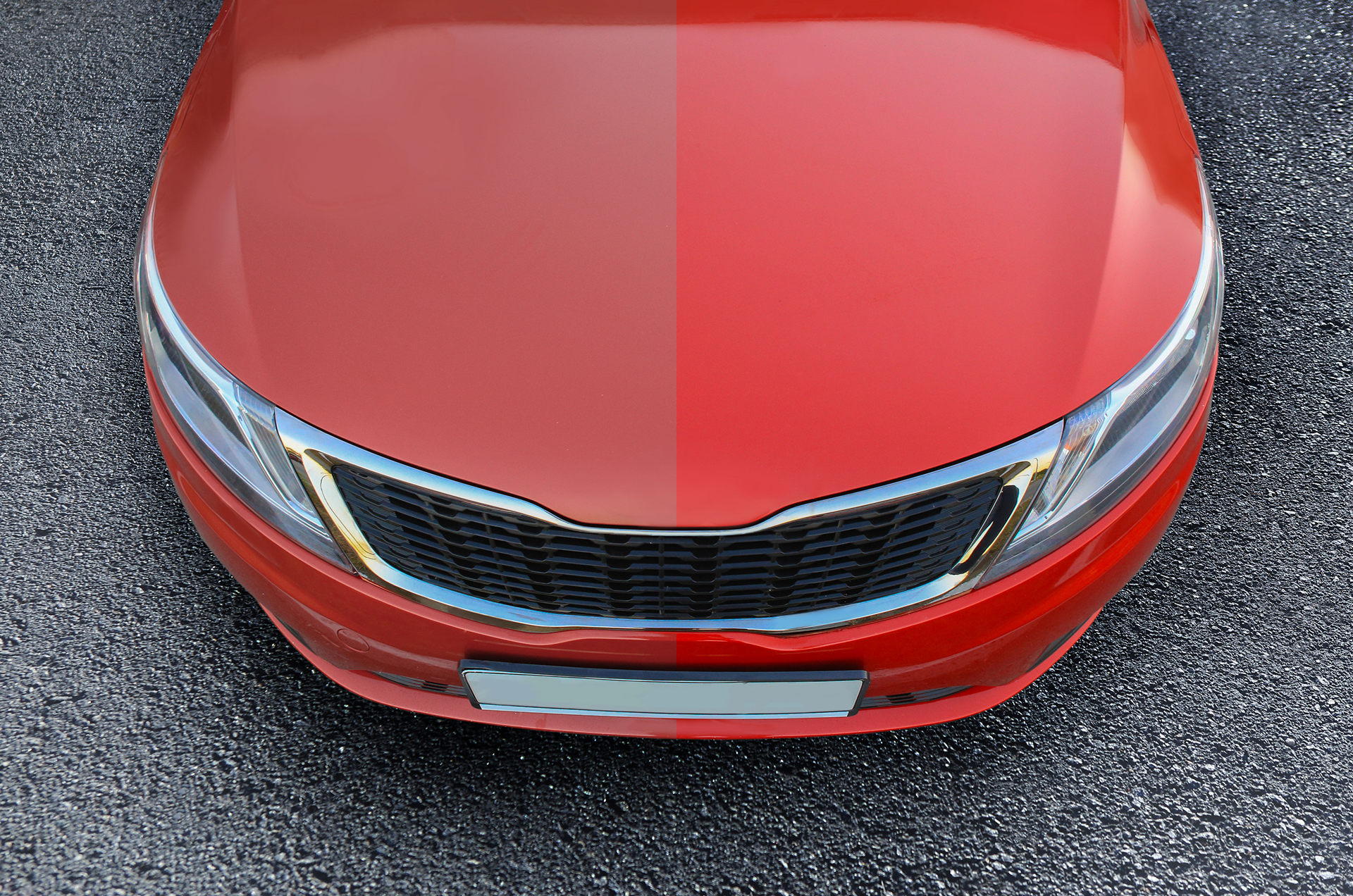
Paint correction is easiest to trust when you can see it. Below is a quick look at swirl removal and gloss restoration from a recent San Diego job, plus a few short notes from customers who care about paint condition and consistent results. (We’ll keep adding more before-and-after sets as we document new work.)

Photos are shown under inspection lighting. No filters. Results vary by paint condition.

“Black paint is unforgiving. The finish looked deeper immediately and the swirls were noticeably reduced.”

— Client, North County San Diego

“Super professional and honest about what could be improved. The gloss held up even after the first wash.”

— Client, San Diego County

“The paint looks clearer in the sun and the car stays cleaner longer. Exactly what I wanted before coating.”

— Client, Escondido
FAQ

Paint Correction Questions, Answered

Straight answers to the most common questions we get about swirl removal, scratch removal, and mobile paint correction in San Diego. If you’re deciding between a 1-step vs 2-step correction (or wondering if coating makes sense), start here.

How long does paint correction take?
Most paint correction jobs take between 4–10 hours depending on vehicle size, defect level, and whether it’s a 1-step or 2-step service. Heavier correction and extra prep (decon/clay/test spots) add time because we prioritize controlled, paint-safe finishing over rushing.
Can you remove deep scratches?
We can often improve deep scratches, but anything that has cut through the clear coat may not fully disappear. During inspection, we’ll identify what can be safely refined vs. what may require touch-up paint or bodywork.
Is paint correction safe for clear coat?
Yes—when done correctly. Paint correction works by refining the clear coat in a controlled way with the right pads, polishes, and technique. We perform a test spot, choose the least aggressive method that gets results, and check progress under proper lighting.
Will paint correction look better on black cars?
Black (and other dark colors) show swirls and haze more than light colors, so the “before vs after” can look dramatic. The improvement is real, but we still set expectations based on paint condition and how deep the defects are.
Do I need ceramic coating after paint correction?
It’s recommended, not mandatory. Correction improves clarity; protection helps preserve it. A sealant or ceramic coating makes washing easier and reduces future contamination bonding—especially in San Diego sun and coastal air.
Do you need water or power for mobile paint correction?
In most cases, no. Our mobile setup is designed to be self-contained and organized. If a location has restrictions (some complexes do), we’ll coordinate the best approach ahead of time.
How long do paint correction results last?
Results last as long as the wash and maintenance habits that follow. With paint-safe washing, quality towels, and regular protection, the finish can stay noticeably cleaner and glossier for months. Automatic brushes and improper washing can reintroduce swirls quickly.
What should I do after paint correction (washing and maintenance)?
Use a gentle, paint-safe wash method and avoid automatic brush washes. If you’re coated, follow the coating’s aftercare guidance; if you’re sealed, we’ll recommend a simple maintenance routine to keep the finish crisp and reduce swirl risk over time.
Can you do paint correction at an apartment complex?
Often, yes—if we have access to the vehicle and a reasonable space to work safely. The main constraints are parking rules, shade, and whether the property restricts mobile services. If needed, we’ll coordinate a workable location nearby.
What’s the difference between a 1-step and 2-step paint correction?
A 1-step correction is a single polishing stage designed to improve gloss and reduce moderate swirls efficiently. A 2-step correction uses a compound stage followed by a finishing polish for stronger defect removal and higher clarity, especially on neglected paint.

Paint Correction, Done With Care — Or We Don’t Proceed

Paint correction is precision work. Every vehicle, clear coat, and defect level is different, which is why we operate with a craftsmanship-first mindset—not rushed promises or exaggerated claims. Our guarantee is simple: we only perform paint correction that is paint-safe, appropriate for your vehicle, and aligned with realistic outcomes.

Before any correction begins, your paint is inspected under proper lighting and a test spot is completed. If results don’t meet expectations safely, we adjust the approach—or recommend a different solution altogether. No pressure. No upselling. Just clear guidance based on what your paint actually needs.

If you’re considering swirl removal, scratch reduction, or restoring clarity to tired paint, the next step is a quick quote and conversation. We’ll walk you through options, timelines, and whether correction makes sense for your vehicle.