Your Car May Be Dirtier Than a Toilet. Here’s How to Clean It.
August 17, 2026

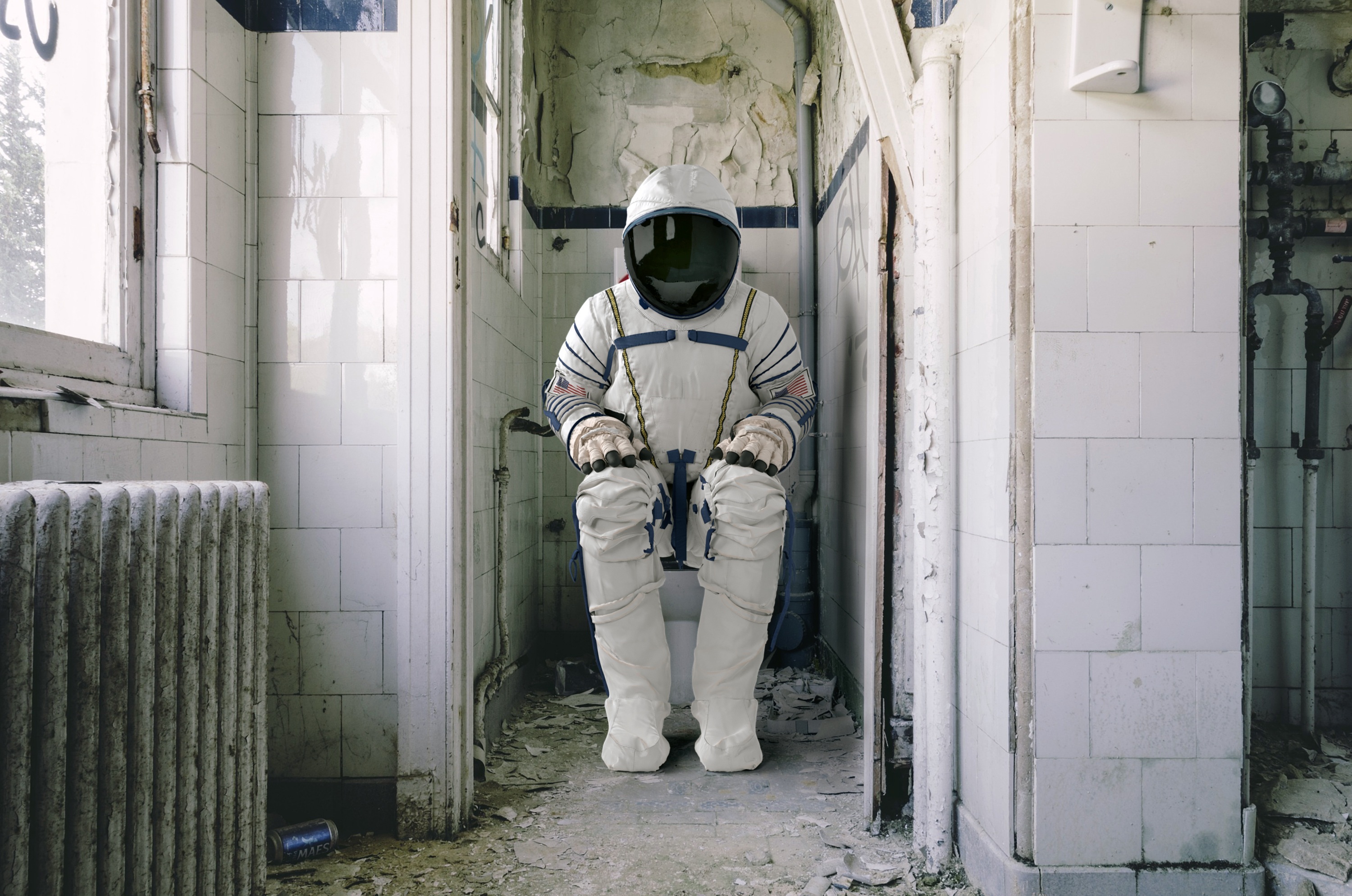
An Aston University study compared five used cars with household toilets. The results found more bacteria inside the cars, especially in the trunk, driver’s seat, and gear selector. These areas make sense when you think about how a car is used. Groceries, bags, and many other items are placed inside the trunk, while the driver’s seat and gear selector are used almost every time the car is driven.
Even during a normal trip to the grocery store, we touch more things than we notice. Automatic doors and contactless payments have reduced some of that contact, but we still grab shopping carts, pick up products, use our phones, and touch other surfaces. We don’t stop to sanitize our hands after every single thing. Instead, we return to the car and grab the door, seat belt, steering wheel, buttons, and gear selector.
This same process happens every day. Whatever we pick up outside can be carried back into the car, where the same areas continue being touched again. If the floor looks fine and there are no visible crumbs, it’s easy to assume the interior is already clean.
We clean toilets regularly because we expect them to be dirty. Cars don’t always receive that same attention, even though we use them almost every day and carry things into them from everywhere we go. This brings us to the real question: how do you properly clean a car’s interior?
A lot of people consider the interior clean once it has been vacuumed and wiped down. The car may look much better afterward, but cleaning and sanitizing are not exactly the same thing.
Before trying to sanitize anything, the dirt and oily buildup need to be removed. The CDC explains that surfaces should be cleaned first, since dirt can make it more difficult for a sanitizing product to do its job. Start with an interior cleaner made for the material you are working on. If there is heavier buildup, a surface-safe degreaser may be needed.
After the dirt is removed, a compatible sanitizer can be used where it makes sense, especially around the steering wheel, door handles, buttons, gear selector, and seat-belt buckles. The product still needs to be safe for that particular surface and used for the amount of time stated on its label.
This does not mean that the whole interior needs to be covered in the strongest chemical available. Leather, plastic, fabric, screens, and glossy trim do not all react the same way. Regular cleaning can already remove many germs, while sanitizing gives more attention to the areas that are touched constantly or shared by several people.
You do not need every machine used by a professional detailer, but the tools you have will affect how far you can actually clean.
A normal vacuum can remove loose dirt from the open areas. The problem is that much of the dirt inside a car ends up between the seats, underneath the seat rails, inside the seams, and next to the center console. A crevice attachment and a few soft brushes make those areas much easier to reach.
It also helps to have more than one microfiber towel. Using the same towel on the cupholders, dashboard, seats, and glass can move dirt from one part of the car to another. Keeping a few towels separated for different areas is simple, but it makes the cleaning much easier.
Fabric seats and carpets may need an extractor when dirt or a spill has gone below the surface. An extractor adds a controlled amount of solution and then pulls the dirty moisture back out. A steam cleaner can also help loosen buildup in certain areas, but it needs to be used carefully around screens, electronics, leather, and the headliner.
You can read more about what is normally included in a professional interior detail if you want to compare that process with what you can do at home.
Once everything looks clean, most people stop there. That makes sense, but the interior immediately goes back to dealing with sunlight, heat, spills, body oils, and regular use.
This matters even more in San Diego. Researchers from Arizona State University and UC San Diego measured vehicles after they had been parked in the sun for about one hour. The average dashboard temperature reached 157 degrees Fahrenheit, while the seats averaged 123 degrees.
If an interior deals with that type of heat regularly, cleaning alone will not be enough to maintain it for a long time. After cleaning, use a protectant made for the material. Plastic and dashboard protection can help with sunlight and fading, while products made for leather, vinyl, or fabric can make future dirt and spills easier to handle.
Protection should not leave the whole interior looking greasy or feeling slippery. The product should be applied correctly and only on the surface it was made for. It will not stop every type of wear, but it can slow down how quickly the interior begins looking older.
We explain more about this kind of long-term care in our other blog, “Your Car Will Get Older. It Doesn’t Have to Look Older.”
The biggest problem is sometimes not the product or the tools. It is how long someone waits before cleaning the car again.
It is easy to assume that one deep cleaning will fix everything after several months. A deep cleaning can make a major difference, but it cannot guarantee that every old stain, odor, or worn surface will return to its original condition.
A drink that spilled yesterday is normally easier to deal with than one that has been sitting inside the seat for several months. The same happens with sand, food, pet hair, and other dirt. As the car continues being used, the buildup gets pressed further into the seats and carpet.
Regular care does not mean spending several hours cleaning every weekend. A quick vacuum and wipe-down every week or two can prevent the interior from reaching the point where everything becomes difficult. A deeper cleaning may still be needed occasionally, but it will be easier because the vehicle was not left untouched between those cleanings.
For drivers who do not want to keep placing the cleaning back onto their schedule, the ZS Care Plan keeps the vehicle on a recurring schedule instead.
None of this means that you need to purchase every tool and chemical available. Start with the basics, use products made for the material, clean the areas you regularly touch, and try not to leave the interior alone for several months.
If you enjoy doing the work yourself, you can slowly build the tools needed for a better cleaning. If you do not have the time or do not want to learn the entire process, you can review our current interior services and pricing to see which option fits your vehicle.
The main idea is to clean the interior before the dirt, stains, and odors become much harder to remove. Whether you do that yourself or have someone maintain it for you, consistency will make the largest difference.



ZS Clean is committed to your satisfaction and your comfort. We tailor our service system to make your life simpler and easier—saving you time and giving you peace of mind.