Ultimate Ceramic Sealant Guide for Coastal Cars
March 6, 2026


San Diego drivers love the ocean breeze and blue-sky commutes, but salt air, strong sun, and seasonal dust can be brutal on your paint. If you have wondered how to protect your finish year-round, ceramic sealant san diego for coastal climate protection delivers a resilient barrier designed for our beach-to-backcountry conditions. This guide breaks down what ceramic sealants are, how they differ from waxes and coatings, and how to choose and care for them in the San Diego area. Along the way, you will see how a thoughtful process, the right products, and local expertise extend the life and luster of your vehicle.
Because coastal air accelerates corrosion and fading, your maintenance choices matter more here than in many inland cities. Zs Clean San Diego LLC [limited liability company] serves local owners with mobile detailing, paint correction, and ceramic paint protection that is tailored to neighborhood realities from La Jolla and Pacific Beach to Coronado, Chula Vista, Carlsbad, and Oceanside. They address common problems in the auto-care industry by using premium, manufacturer-recommended products, training technicians in-house through hands-on practice, working in clean, controlled environments for consistency, and offering transparent pricing without upselling. With that foundation, let’s get your paint ready for the coast.
At its core, a ceramic sealant is a liquid protective layer that cures into a thin, durable film on your vehicle’s clear coat. Many consumer-level sealants rely on SiO2 [silicon dioxide] and advanced polymers to create a hydrophobic surface, meaning water beads and rolls off instead of clinging and leaving mineral spots; professional chemistries vary. Compared with a traditional wax, a ceramic sealant can last months rather than weeks, while offering significantly better resistance to San Diego’s sun and salt-laden mist. On a coastal commute, that can be the difference between a glossy finish next summer and a chalky, tired look by spring. Zs Clean’s professional product choices include Gtechniq Crystal Serum in their 2-year package and Modesta BC-04 (a nano-titanium formulation) as the listed Lifetime coating option, used where manufacturer-backed chemistry and warranty support are required.
It helps to understand the protection spectrum. Waxes give warmth and glow but have modest durability. Polymer sealants increase longevity and slickness. Consumer-grade ceramic sealants blend ease of use with credible chemical resistance, while professional ceramic coatings build a thicker, harder shell that resists etching, bird droppings, and wash-induced marring. For the harshest exposure or rock-chip-prone areas, paint protection film (PPF) combined with a ceramic topcoat is often the premium approach; PPF is typically provided by specialist installers and can be paired with a professional coating applied by Zs Clean. Your best choice depends on how and where you drive, your paint’s current condition, and the time you want to invest in maintenance.
Local climate is the tie-breaker. San Diego averages more than 260 sunny days annually, and ultraviolet radiation [UV radiation] readings regularly peak high during summer. Coastal aerosol studies estimate that sea-salt particles can travel several miles inland on windy days, settling invisibly on panels and under trim. Add dusty Santa Ana winds and hard water left after HOA hose-downs, and you get a recipe for micro-scratches, water spots, and premature oxidation. In short, coastal San Diego is a perfect use case for ceramic technology that resists both chemistry and abrasion.
Zs Clean guides you to the right tier by assessing paint thickness, your parking situation, and how often you wash. Unlike one-size-fits-all pitches, they recommend what fits your vehicle and lifestyle, whether that is a slick annual ceramic sealant for your garage-kept coupe or a multi-year ceramic coating on a surf wagon that lives streetside near the water.
Chemistry is the magic here. Ceramic sealants use SiO2 [silicon dioxide] and sometimes TiO2 [titanium dioxide] precursors that, once applied, begin to cross-link and form a dense network over your clear coat. This micro-thin network improves hardness on the pencil scale, enhances chemical resistance, and creates high surface tension, which is why water forms tight beads. That hydrophobic effect reduces water spotting and helps rinse away salt and dust before they can etch. Though thinner than professional coatings measured in microns, modern sealants still lay down a measurable, sacrificial layer that absorbs day-to-day abuse.
To help you better understand ceramic sealant san diego for coastal climate protection, we've included this informative video from American Contractor. It provides valuable insights and visual demonstrations that complement the written content.
Adhesion matters as much as chemistry. Sealants bond best to surgically clean paint, free of iron fallout, tar, and old waxes. After wash, decon, and a polish to remove micro-swirls, a panel wipe leaves a squeaky-clean surface so the sealant can anchor to the clear coat’s pores. When the product flashes, solvents evaporate and the polymer-ceramic mix organizes into a tight film. In San Diego’s climate, working in the shade with moderate temperatures and controlled humidity ensures even curing and fewer “high spots” that appear as hazy patches.
The result is more than gloss. In accelerated weathering tests often used by paint manufacturers, ceramic-treated panels show lower color fade and fewer etched spots compared with untreated controls. Real-world outcomes mirror the labs: vehicles that live near marine layers stay cleaner longer, washes are faster, and post-rinse drying requires fewer towel passes. That is time back in your weekend and less risk of inducing swirls.
For owners who need the longest protection, professional ceramic coatings add thickness and longevity by increasing solids content and using multi-layer systems. Zs Clean’s in-house trained technicians apply these in clean, controlled workspaces to keep airborne dust off curing panels. That process discipline is why coatings look better and last longer than quick, driveway-only jobs rushed in direct sun.
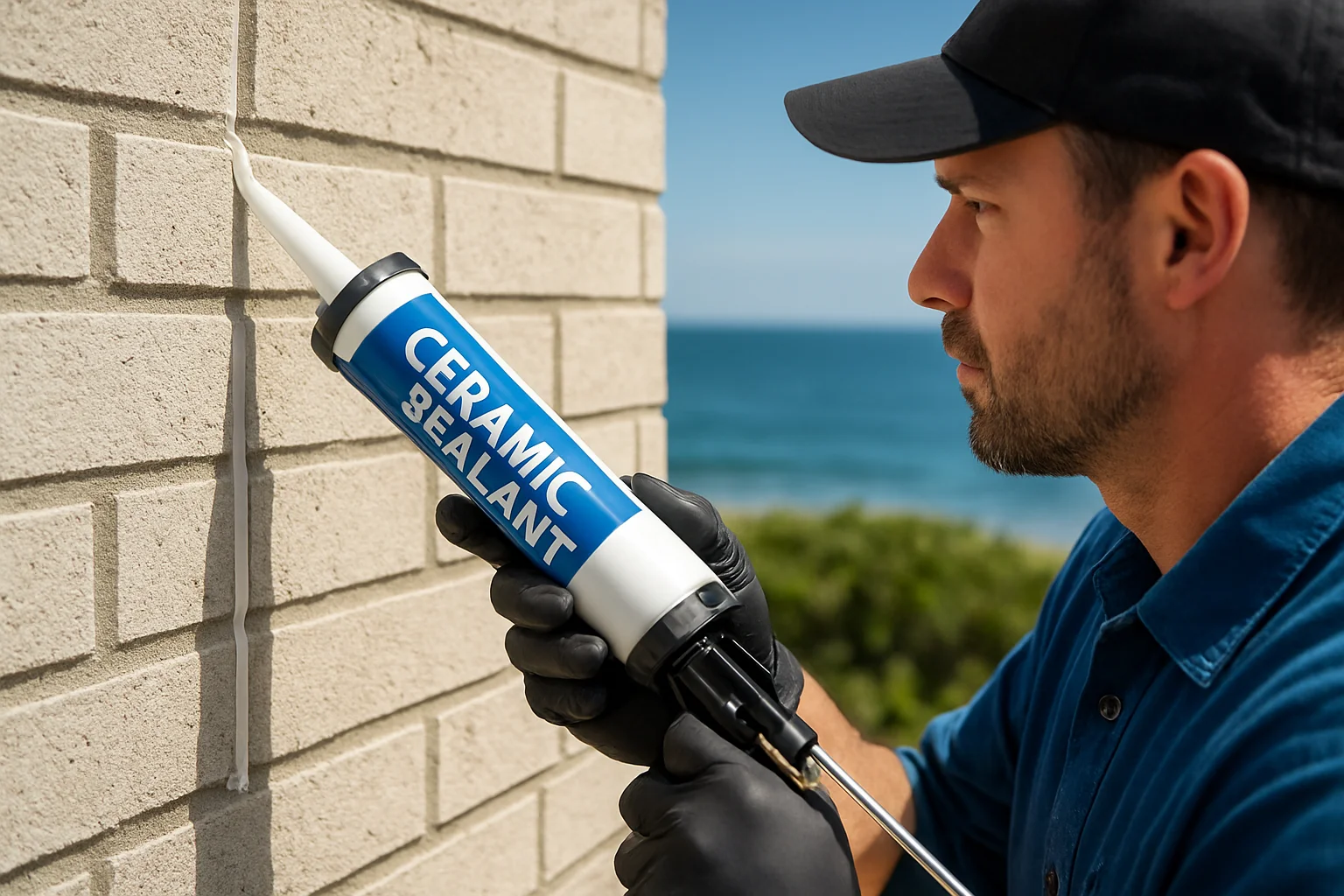
Great protection starts with smart prep. Begin with a thorough wash to remove loose grit, then treat bonded contaminants. An iron remover pulls embedded particles from brake dust and rail fallout, which can spark rust blooms under salt exposure. A gentle clay pass lifts stuck-on grime, and a light polish corrects wash marring so you do not seal in swirls. Finally, a panel wipe prepares the surface. Work in shade, panel by panel, and mind product flash times so removal feels smooth, not grabby. If you are DIY [do-it-yourself] inclined, think of this like painting a room: most of the beauty lives in the preparation.
Post-application care keeps performance high. Avoid water for 12 to 24 hours to allow initial cure, and skip harsh chemicals for seven days while the film hardens fully. After that, wash regularly with a pH [potential of hydrogen]-balanced shampoo and soft mitt. Dry with a blower or plush towel to prevent water-spot minerals from lingering. As a boost, use a compatible SiO2 [silicon dioxide] spray every 4 to 8 weeks. These toppers refresh beading and slickness, helping dirt release during rinses so you touch the paint less often.
Because San Diego’s threats shift seasonally, adjust your plan. Summer’s high UV [ultraviolet] index calls for consistent washes to purge dust before it can scour. Fall Santa Ana events drive fine particulate that clings to static-charged panels; a pre-rinse and snow-foam step help float grit away. Winter storms throw salt spray inland; increase wash frequency and quickly neutralize any water spots. Spring brings pollen and bird fallout during coastal migrations; treat droppings fast to avoid etching. Zs Clean can maintain your protection on a mobile schedule in your driveway, or for coatings that need stable curing, they set up in a clean, controlled workspace to keep results consistent.
Case in point: a 2018 4Runner that lives near Mission Beach showed recurring water spots and a dull hood from constant sea breeze. After a single-stage paint correction and ceramic sealant, weekly pH [potential of hydrogen]-neutral washes and monthly toppers cut wash time by 30 percent and eliminated new spotting over six months of windy days. Another owner in Carlsbad with a darker EV [electric vehicle] switched from wax to a ceramic coating applied by Zs Clean; six months later, gloss readings improved, and bird-bomb etching from seaside parking dropped significantly thanks to faster cleanups.
Many frustrations come from rushing or skipping steps. The most common misstep is sealing over contamination or swirls, which locks in haze and reduces bonding strength. Another is applying too much product, leading to sticky leveling, patchy high spots, and waste. Washing with harsh detergents or automatic brushes after application can strip performance and add new marring, defeating the purpose of protection. Finally, working in hot sunlight invites fast flashing and streaks that are hard to remove without polishing.
If any of these bite you, recovery is possible. Light high spots within a few hours can often be reflowed with a small dab of product. Stubborn haze may require a quick polish and reapplication on the affected panel. Zs Clean’s technicians are trained to spot and fix these issues immediately in a controlled environment, rather than hiding them under dressings. Their honest, no-pressure approach means you get the right remedy the first time, not a sales pitch for what you do not need.
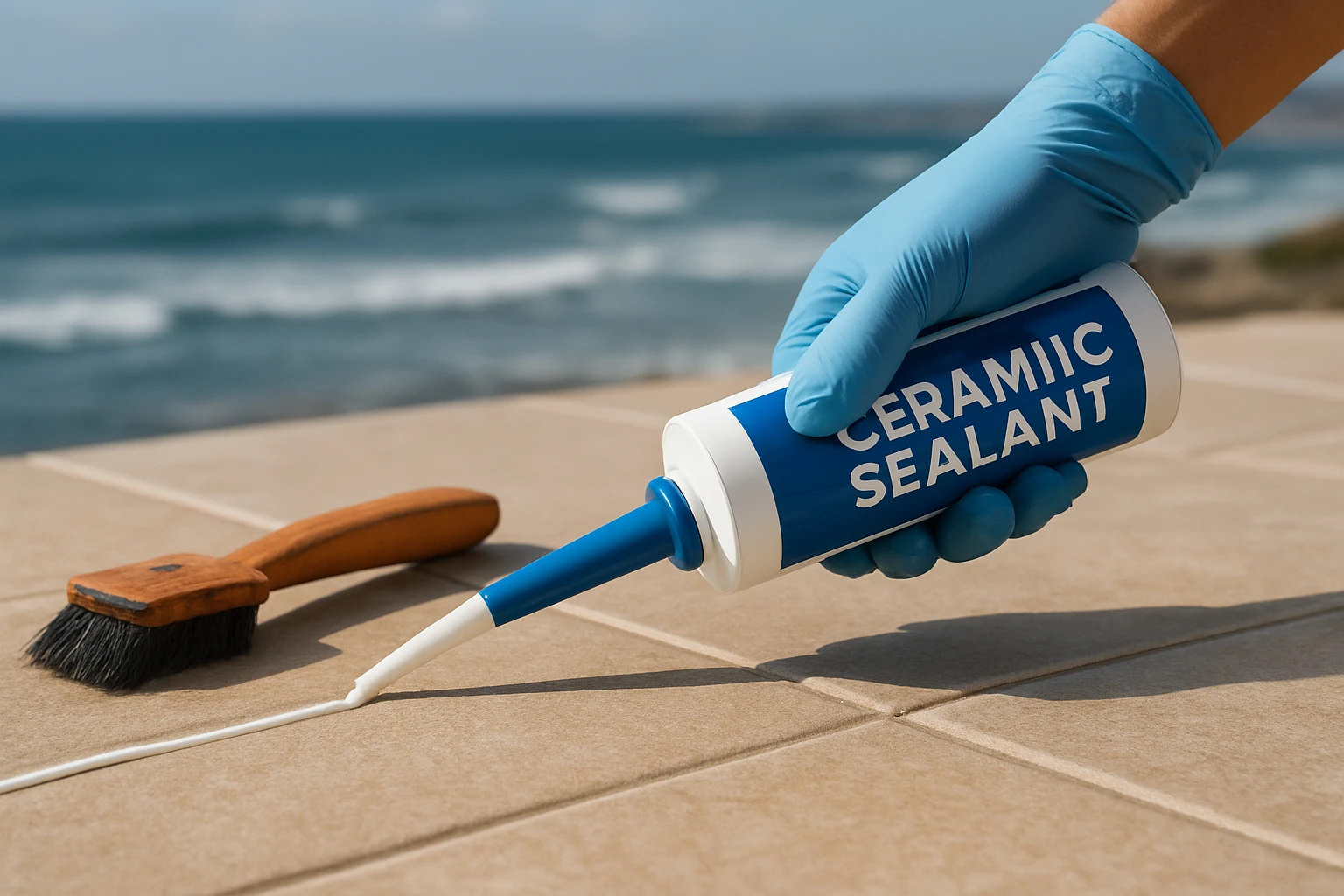
The right tools make both application and maintenance easier and safer. For starters, a contactless pre-rinse minimizes swirls before you ever touch the paint. A quality foam cannon and pH [potential of hydrogen]-balanced shampoo lift dirt so a plush mitt glides. For drying, a dedicated blower pairs well with a soft, high GSM [grams per square meter] towel to catch the last drops. If you plan to correct paint, a dual-action polisher is the forgiving choice for enthusiasts because it reduces risk of burning edges compared with pure rotary tools.
Not everyone has the time or space to set up a proper bay. That is where Zs Clean San Diego LLC [limited liability company] excels. For ceramic sealants, they bring a clean, mobile setup to your driveway with controlled shading and dust mitigation. For multi-year coatings and paint correction, they use a clean, controlled workspace so temperature, humidity, and lighting are optimized for consistent results. Their product choices follow manufacturer recommendations only, avoiding low-grade or off-label chemicals that can fail early in coastal environments. And because pricing is transparent, you get a clear, tailored plan without high-pressure tactics.
One more pro insight: water quality. Much of San Diego has hard water that leaves visible spotting if it dries on hot panels. When possible, wash early or late in the day, park in shade, and consider a final rinse with filtered or deionized water to reduce deposits. If a spot does form, treat it quickly with a spot remover that is safe for ceramic surfaces. This small habit dramatically extends the clarity and depth of your finish.
Ceramic protection, chosen and applied well, turns San Diego’s coastal challenges into a manageable, glossy routine. In the next 12 months, a consistent wash rhythm and a tailored sealant or coating can keep your paint bright through marine layers, long beach days, and dusty winds. Which small step will you take today to enjoy the benefits of ceramic sealant san diego for coastal climate protection?
Zs Clean addresses these problems and delivers for San Diego owners with ceramic coating and paint protection, mobile service, in-house trained technicians, premium products, and transparent, no upselling recommendations.
Protect My Paint



ZS Clean is committed to your satisfaction and your comfort. We tailor our service system to make your life simpler and easier—saving you time and giving you peace of mind.