What Actually Happens During a Professional Detail (And Why It Costs What It Costs)
Added to
Zs Clean BlogAugust 20, 2025

Brandon Mateo

Japan

3 Member

2.9k likes

Unlock actionable ideas for What's the Difference Between Paint Correction and Polishing? San Diego Pro's Guide to Removing Swirls, Fixing Scratches, and…

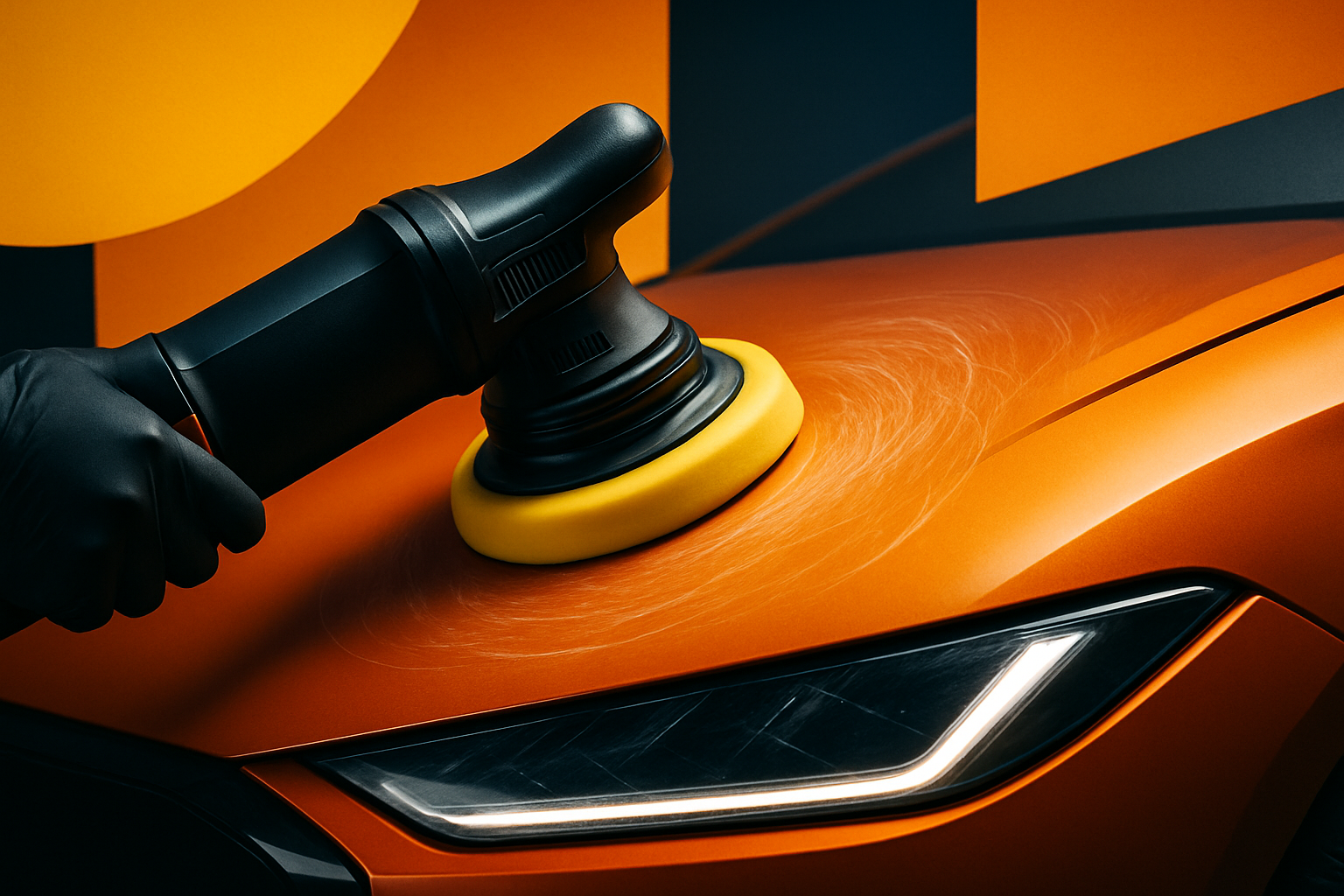
If you have ever stared at your hood under the San Diego sun and wondered why those spiderweb swirls keep showing up, you are not alone. The big question most drivers ask is what's the difference between paint correction and polishing, and which one actually fixes the problem. Living near the coast means salt air, year-round sunlight, and dust from canyon winds all team up to dull your paint faster than you expect. That is exactly why ZSC Auto Care helps you decide the smartest route before you lock in long-term ceramic coating protection.
Let me set the scene. You hand wash your car, step back, and it looks glossy—until you angle it toward the afternoon light. There they are again: swirls, a few scuffs, maybe a stubborn scratch from a parking lot brush. Polishing sounds like the fix, right? Sometimes it is. Other times, you need deeper defect removal to truly level the clear coat and make those marks vanish. The right answer depends on your paint’s condition, your goals, and how much you want to invest before protecting it for years.
Here is the simplest way to understand it. Polishing is like shining your favorite pair of shoes so they look great for a night out. Paint correction is like having a cobbler repair the leather, re-dye the scuffs, and bring them back to as-new condition. Polishing focuses on gloss enhancement and light swirl removal with fine abrasives. Paint correction focuses on measured, multi-stage cutting and refinement to remove deeper scratches, oxidation, and etched defects within the clear coat.
In practice, that means polish is ideal when your paint is mostly healthy and you want it to pop again. Paint correction steps in when the defects are visible in direct San Diego sunlight or under a handheld inspection light and you want true defect removal, not just a shiny cover-up. Both can be safely performed by trained technicians; the difference is the scope, time, tools, and the level of clear-coat leveling required to achieve your goal.
To help you better understand what's the difference between paint correction and polishing, we've included this informative video from DIY Detail. It provides valuable insights and visual demonstrations that complement the written content.
Think of your clear coat as a sheet of glass. Polishing smooths micro-marring on the surface so light refracts cleanly again. It is excellent for reviving gloss after mild wash marring or a season of sun and dust. However, if you can catch a scratch with your fingernail or see dull, chalky patches in full sun, that is a deeper issue. Paint correction can remove or dramatically reduce these by gently leveling the clear coat in controlled passes, but it cannot fix damage that cuts into the base coat or down to bare metal.
A common misconception is that polishing and wax are interchangeable. Wax or sealant adds short-term protection and shine, but it does not remove scratches. Professional polishing removes tiny layers of clear to level micro-defects, and paint correction simply takes that concept further with measured, staged cutting and refinements. Most modern clear coats average 30-50 microns in thickness, and a careful cutting stage might remove 2-5 microns per pass. That is why experience, lighting, and a paint-thickness gauge matter so much when choosing correction.
Defect Polishing Likely Paint Correction Likely Notes Light wash swirls Yes Optional Single-step polish usually restores high gloss. Moderate swirls/haze Maybe Yes Often needs a cut-and-refine approach. Random isolated deep scratch No Yes Spot compounding, sometimes localized wet sanding. Water-spot etching Maybe Yes Etching from minerals often needs targeted cutting. Oxidation/fading Maybe Yes San Diego sun accelerates oxidation; correction restores clarity. Chips, peeling clear, rust No No Requires touch-up, repainting, or bodywork.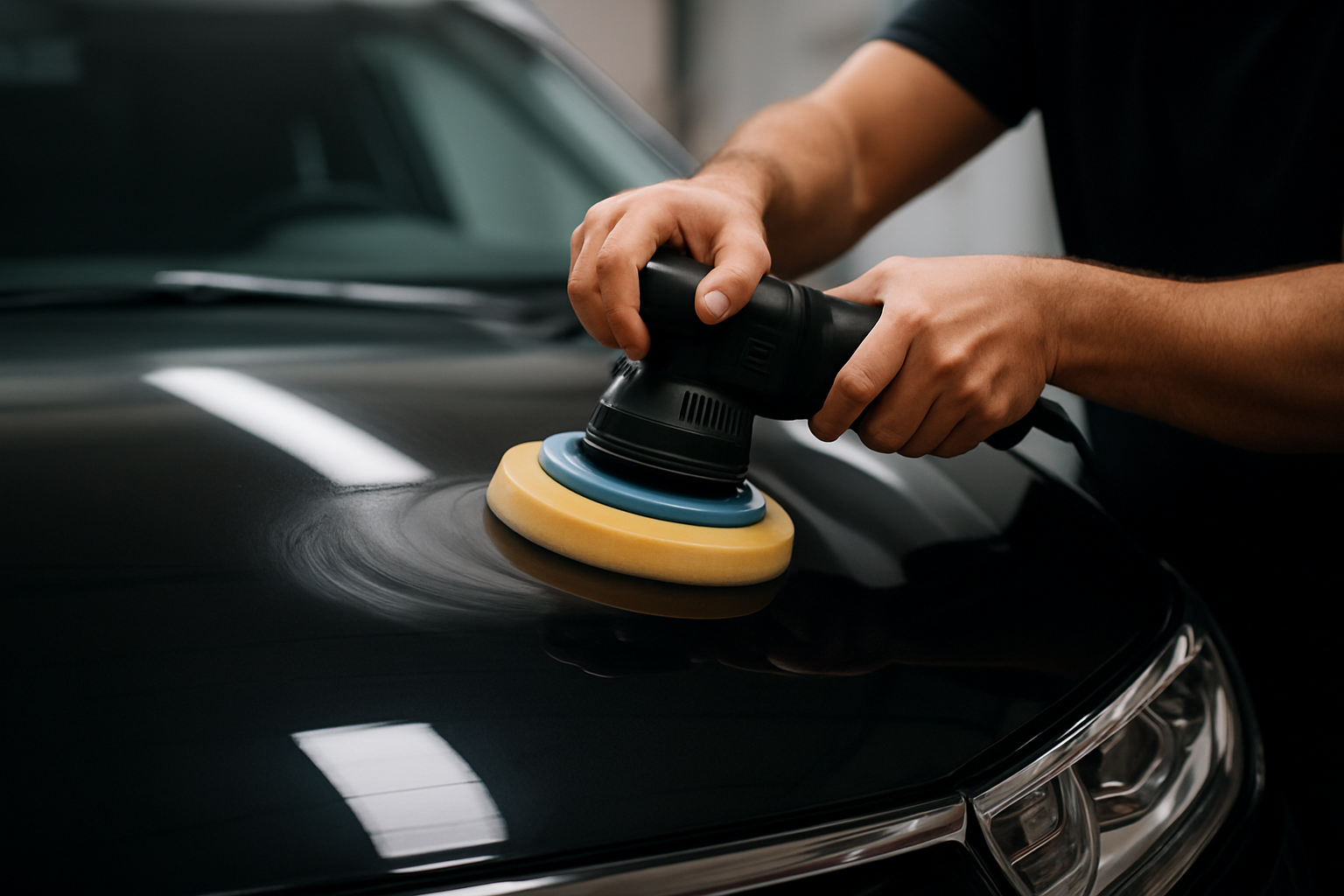
Our climate is beautiful, but it is not gentle on paint. High ultraviolet (UV) exposure—San Diego often registers a UV (ultraviolet) index of 7-9 in summer—can dry out clear coats and amplify micro-marring. Salt air near the coast and morning marine layer can leave chloride residue that etches if not cleaned. And when Santa Ana winds kick up, dust acts like ultra-fine sandpaper during washing and drying. That is how well-meaning hand washes slowly create those spiderweb swirls you see in direct sunlight.
Because of this, your strategy matters. A fresh polish can revive gloss for cars that are generally well cared for and live in garages. But if your car sleeps street-side in Pacific Beach, parks at the office all day in Mission Valley, or spends weekends on open desert roads, paint correction followed by ceramic coating offers a deeper reset and durable protection. Industry testing shows that a properly installed ceramic coating can increase contact angle and slickness, making it harder for minerals, dust, and grime to bond so your maintenance washes inflict fewer marks over time.
Here is the hard truth: ceramic coating magnifies whatever is underneath. If you coat over swirls and water-spot etching, you preserve those defects behind a long-lasting, slick shell. That is why ZSC Auto Care evaluates your paint in natural sunlight and under color-corrected lights, then recommends either a gloss-enhancing polish or a multi-stage correction before coating. The goal is not to sell you a bigger job; it is to make sure the finish you lock in is the finish you will love for years.
ZSC Auto Care uses top-tier, manufacturer-recommended products only—no off-label shortcuts—and follows proven workflows to ensure consistency. You will notice the difference during the first wash after coating. Water beads and sheets, dirt resists sticking, and drying is faster and safer. Paired with safe-wash techniques and the right towels, most San Diego owners can stretch maintenance intervals while keeping that freshly detailed look.
So which route makes sense for you right now? Start by listing your top three priorities. If you mostly want better gloss for a weekend event, polishing may be perfect. If you are chasing the crisp, mirror-like reflections you see in pro photos and want to keep them through San Diego’s sun and salt seasons, paint correction followed by ceramic coating will feel like a transformation. The best plan balances budget, your timeline, and how you use your vehicle.
Use this quick decision flow:
Here is a real-world example from a San Diego driveway. A three-year-old metallic gray SUV lived outdoors in Point Loma, with light swirls and faint water-spot etching on the hood. We performed a thorough decontamination, a measured two-step correction on the horizontal panels, then a finishing polish on the sides to respect paint thickness. After panel wipe, we installed a pro-grade ceramic coating rated for multi-year durability. The owner gained crisper reflections, easier washing, and fewer new swirls—exactly the outcome they wanted without overspending.
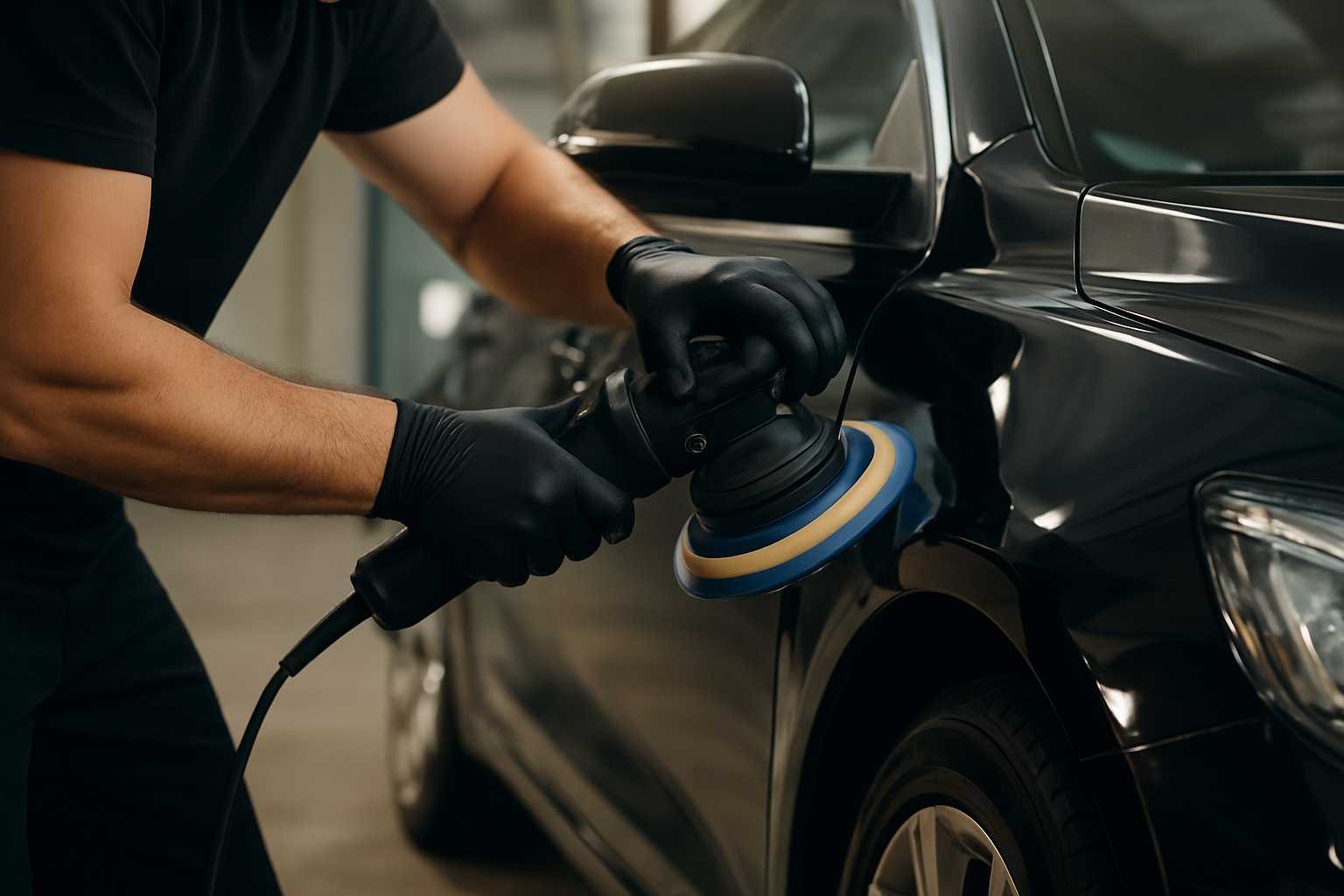
San Diego drivers face a trio of paint enemies: coastal air, year-round sun, and dusty roads. Many owners also struggle to find providers they can trust—untrained technicians, poor workmanship, cheap products that fail, and high-pressure sales tactics are all too common. ZSC Auto Care stands apart by keeping things simple and honest. Mobile detailing is delivered to your location, work is performed by in-house trained technicians with hands-on training, and we use top-tier, manufacturer-recommended products for every step. The workspace is kept clean and controlled for consistent results, and our pricing stays transparent with no upselling.
ZSC Auto Care addresses these problems by offering mobile, professional detailing focused on paint correction and ceramic coating to protect vehicles. It employs in-house trained technicians, uses premium products, operates in controlled workspaces for consistent quality, provides honest, personalized recommendations and maintains transparent pricing with no upselling. That is not a slogan—it is our operating system, built for San Diego’s specific challenges across neighborhoods from La Jolla to Chula Vista and inland to Poway and Santee.
Once your paint is corrected or polished and protected, the maintenance habits you follow will determine how long that clarity lasts. The safest approach is a contact-minimizing wash. Start with a thorough pre-rinse to float off dust, then use a foam pre-soak and a two-bucket method with grit guards. Choose plush, clean towels for drying, and never drag a dry towel across the paint. In San Diego, where airborne dust is persistent, a simple hand sprayer rinse midweek can remove the worst of it before it turns into micro-marring.
Frequency-wise, many owners find that a well-installed ceramic coating reduces wash time by 30-40 percent because the surface stays cleaner longer and dries faster. For daily drivers, a monthly wash schedule and a quarterly decontamination to remove iron and environmental fallout is a practical rhythm. If your vehicle lives outdoors near the water, consider a quick rinse after heavy marine layer mornings or beach days to remove salt residue that can otherwise etch or spot the finish.
Do darker cars always need paint correction before ceramic? Not always, but darker colors show defects more readily, so a two-step is often worth it. Are dealership details enough? Basic dealer prep is typically a light polish and protection; it is rarely true correction. Can polishing or correction thin my clear too much? When performed by trained technicians with paint-thickness checks, removal is carefully controlled and safe for the long term. And yes, we work right in your driveway while maintaining a clean, controlled environment and thoughtful workflow.
If you are still debating polishing versus correction, here is a quick personal litmus test. When you look at your car at noon in direct sunlight, do the swirls jump out and bother you? If yes, paint correction followed by ceramic coating will make you smile every time you walk up to your car. If no, a gloss-focused polish and coating may be the perfect balance of cost, time, and long-term protection under San Diego’s sun and salt air.
Bottom line: knowing what's the difference between paint correction and polishing gives you control over your car’s appearance and longevity. Start with an honest assessment, choose the process that aligns with your goals, and then seal the result with a quality ceramic coating designed for our local environment. Your car will look better, wash easier, and resist the daily wear that comes with life by the beach and beyond.
Here is the promise: choose the right level of polishing or paint correction now, and your ceramic coating will lock in the look you actually want.
Imagine the next 12 months with crisper reflections, faster washes, and fewer swirl marks despite San Diego’s sun, salt air, and dust. That is the compounding payoff of doing prep the smart way.
So, when you step into the light and scan your hood, which finish do you want to live with—and now that you know what's the difference between paint correction and polishing, what will you choose?
Explore these authoritative resources to dive deeper into what's the difference between paint correction and polishing.
ZSC Auto Care ceramic coating / paint protection: ZSC Auto Care addresses these problems with mobile service, trained technicians, premium products, controlled workspaces, and transparent guidance for San Diego owners.
Protect Paint NowGet car care tips and updates you’ll actually use.