The Dirty Truth Hiding in Your Cup Holders
A small look into the place we forget the most — and what it quietly reveals about how we live inside our cars.
3 min read
November 25, 2025

The sun looks great at the beach — less great on your paint. Learn how UV and heat cause fading, oxidation, and clear-coat failure, plus simple habits to protect your car in coastal Southern California.

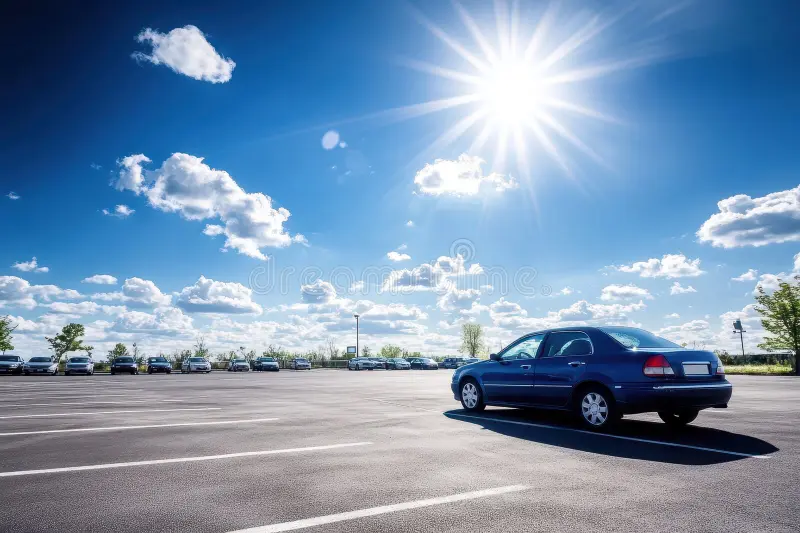
If you live anywhere near the coast, you already know this scene: you crack the door open, a wave of hot air hits your face, and the steering wheel feels like it’s auditioning as a stovetop. Later, when the car finally cools, you catch the paint in the driveway light and think, “Huh… was it always this dull?” The beach days, soccer runs, Costco runs — they’re great. But the sun keeps a quiet tab on your paint, and it charges interest.
This guide is the honest version: why sunlight and heat slowly break down paint, why the coast speeds it up, what early damage actually looks like, and simple habits you can use to keep your car looking clean longer. No scare tactics. No sales pitch. Just the stuff I wish every owner in Southern California knew on day one.
Think of paint like skin. The color layer is your “dermis.” The clear coat is your “sunscreen.” It’s thin — measured in microns — and it does the heavy lifting: it gives you gloss, protection, and a nice surface to clean. But it’s not invincible. UV rays and heat team up to start tiny chemical reactions that dry the clear, fade the color, and make the surface brittle. Add time and coastal air, and the process speeds up even more.
I like to explain it with three quiet forces:
None of this shows up overnight. It’s a slow story written across summer weekends.
Sunlight brings three things to your paint: visible light (what you see), infrared (what you feel as heat), and UV radiation (what does most of the long‑term damage to coatings and plastics). The UV part is what kicks off photodegradation — chemical reactions that slowly break down the clear coat’s binders and the color layer’s pigments. When binders fail, the surface turns dull and powdery; when pigments fail, color shifts and fades. Heat doesn’t cause the chemistry by itself, but it speeds everything up.
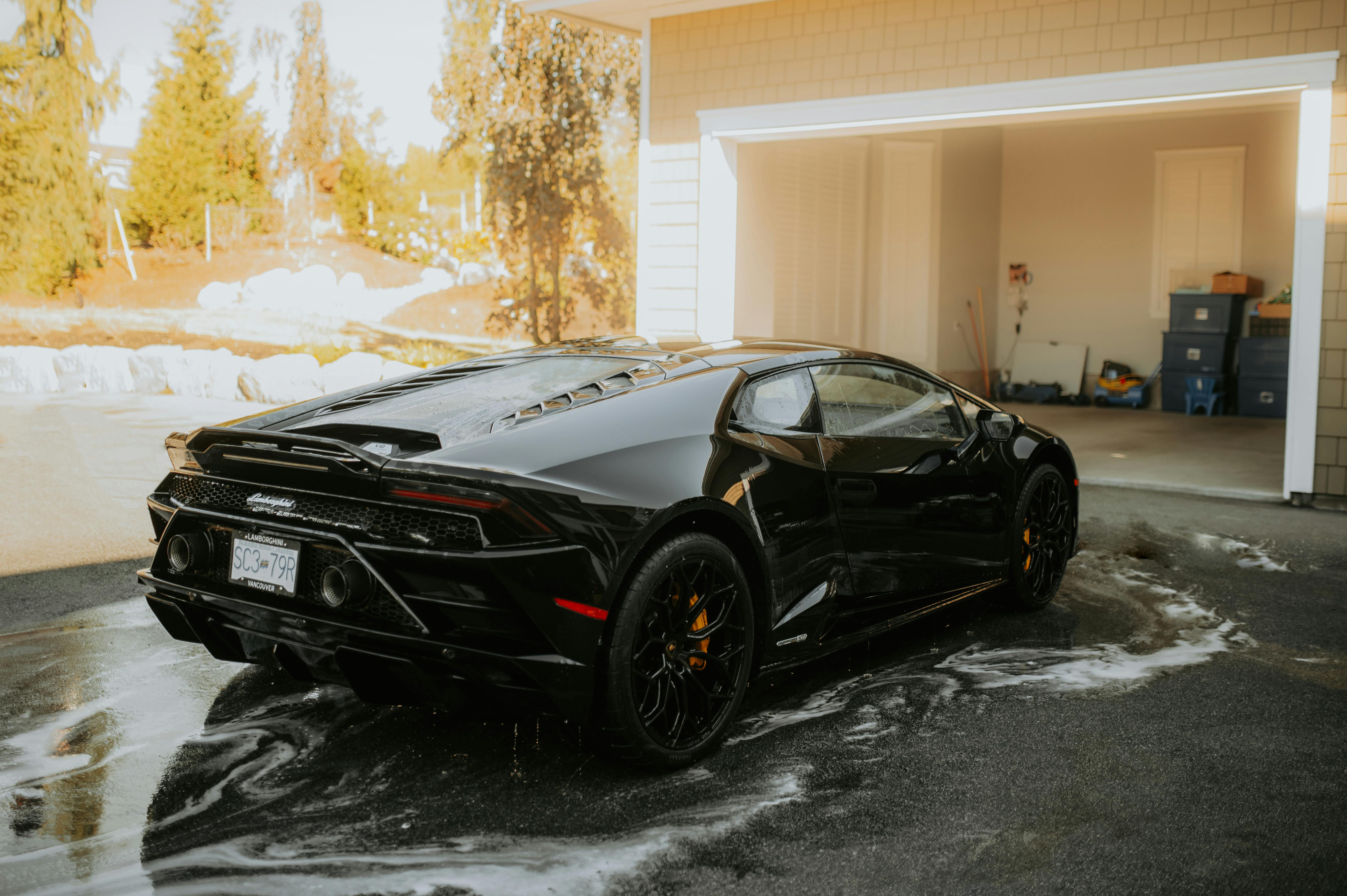
If you’ve ever noticed a once‑glossy black car looking gray‑brown on the horizontal panels (hood, roof, trunk), that’s the pattern of UV plus heat at work. Horizontal surfaces get the strongest hit and stay hot longer.
Two quick, useful truths:
If sunscreen keeps your skin safer, the clear coat is your car’s sunscreen. Both need maintenance. Skin gets dry and loses elasticity with sun exposure; clear coat does the same thing on a slower timeline — it dries out, becomes brittle, and loses the deep, wet gloss we all like. When people say, “It just doesn’t shine anymore,” what they’re really seeing is a surface full of micro‑damage that scatters light.
Another parallel: the same hours of day that are tough on skin are tough on paint. Midday, cloudless days, light‑colored pavement reflecting more light — all of it adds up.
If you grew up around single‑stage paints (color and resin all in one), you remember chalky red hoods that buffed back bright — at least for a while. Modern cars use basecoat/clearcoat systems: color layer under a clear protective layer. That clear changed everything. It makes new paint look deeper and holds its gloss longer, but when the clear is neglected and breaks down, you see a different failure: peeling, flaking, and that dry, crows‑foot look.
Older single‑stage paints oxidized from the top down and could be rejuvenated if you removed enough dead, chalky layer. Modern clears don’t forgive as easily once they start to fail. You can polish lightly oxidized clear and bring it back, but if the bond has let go or the clear has thinned too much, no amount of polishing will replace material that’s already gone.
Year 0–2: Looks great. If you wash regularly and add a sealant every so often, you won’t see much change.
Year 2–4: The daily driver look creeps in. Horizontal panels lose a bit of pop. You may notice water spots hang on after a wash, or that the surface feels rough sooner. Under bright light, you’ll see swirls and faint haze.
Year 4–6: Early oxidation shows on horizontal panels — a soft, dull film that doesn’t wash away. Water spots become stubborn and etched. If the car parks outside full‑time near the coast, plastics and black trim begin to gray. Wax “doesn’t last” the way it used to.
Year 6+ (or sooner, if unprotected near the beach): Clear coat is dry. You’ll see chalking — a powdery residue on your microfiber — and areas where the clear looks cloudy. Fine cracks begin to appear, especially on hot colors and dark colors. Eventually you see clear coat failure: edges turn milky, then peel.
Can you fix it? Early on, yes: decontamination + light machine polish will restore gloss and remove the dead, oxidized layer. But once the clear is peeling or the bond has broken, you’re in repaint territory.
Coastal air carries tiny salt particles and extra moisture. On a cool, healthy clear coat, salt is mostly a nuisance that you wash away. On a hot, UV‑stressed surface, those particles stick more easily, dissolve in dew or fog, and creep into micro‑cracks. Over time, that cocktail stains, etches, and pushes the finish along the same path as sun damage — just faster. That’s why a car in Del Mar or Carlsbad, parked outdoors, often looks older than the same car kept garaged in San Marcos.
No need to panic. It just means your wash calendar matters a little more when you live along the coast.
“It’s a new car — it doesn’t need protection.”
New cars don’t ship with a magical force field. The clear coat is a coating, not a permanent shield. If you build habits now, you delay the day you have to choose between repainting and living with dull paint.
“Waxing once a year is enough.”
A single yearly wax in a high‑UV, coastal climate is like applying sunscreen once in June and hoping it lasts to September. Protection wears off with washes, heat, and time. Even modern sealants and coatings need maintenance.
“It’s white, so it won’t fade.”
White hides fading well, but the clear still ages. You’ll see chalking and loss of gloss before you notice color change.
“If I only drive short trips, I’m safe.”
Parked time matters more than driving miles. A commuter that sits outside all day takes more UV than a weekend car that sleeps in a garage.
Here’s the honest short list. None of these are exotic. They work because they slow the same chemistry that causes fading and oxidation.
1) Park smarter.
Shade wins. Garage is best. A carport beats open air. Even partial shade during the peak sun hours helps. If covered parking isn’t possible, a quality, breathable cover used on a clean car can reduce UV load and heat.
2) Wash on a schedule.
Aim for every 2–3 weeks if the car sleeps outside, especially near the beach. Focus on removing salts, fallout, and mineral‑rich spots before they etch. Use pH‑balanced soap, soft mitts, and clean towels. The goal isn’t a show‑car wash; it’s removing what accelerates aging.
3) Keep a sacrificial layer on the paint.
Think of waxes, sealants, and ceramic coatings as sunscreen you renew. Waxes are easy but short‑lived. Modern polymer sealants last longer. True ceramic coatings create a harder, more durable barrier that resists UV and chemical staining better — but they still need care.
4) Decontaminate twice a year.
Use an iron remover and a gentle clay process to pull out embedded particles that make the paint feel rough. That roughness increases the contact time for water and grime.
5) Light polish, don’t over‑polish.
A mild machine polish once a year removes that thin, oxidized top layer and resets the gloss without chewing through the clear. Avoid heavy cutting unless you’re correcting real defects.
6) Watch the horizontal panels.
If you only have time for quick maintenance, put it into the hood, roof, and trunk. They take the brunt of UV and heat.
7) Mind hot water and hot sun.
Skip washing at high noon. Hot panels + soap + minerals = water spotting. Morning or late afternoon is gentler on paint (and your sanity).
Keep it boring and consistent. The quiet routines beat dramatic rescues.
You’ll see a thousand opinions on the internet. Filter them through this lens:
If you like DIY, pick products that publish real test data and care instructions. If you prefer to outsource, ask for a simple maintenance map you can actually follow.
The earlier you act, the less you remove to restore gloss. That’s the entire game.
Sun doesn’t only work on paint. Dash plastics, leather, rubber seals, and headlight lenses all age faster in high UV. Use interior protectants with real UV inhibitors (non‑greasy), crack the windows a touch on hot days, and consider a sunshade. For exterior trim, a trim‑specific protectant lasts longer than generic tire shine and doesn’t attract dust.
Headlights are a special case: they’re polycarbonate with a factory UV‑hardcoat. Once that hardcoat erodes, the lens yellows. Restoration is possible, but like paint, protection after restoration is what keeps them clear.
If you care for a car for years, you start to see its finish as a living record: where it parks, how often it’s washed, whether it’s covered, whether someone used the wrong towel that one time. Preserving paint isn’t about perfection — it’s about buying time. Time before you have to repaint. Time where you get to enjoy the color you chose. Time where a quick rinse turns into a clean, glossy car because there wasn’t much for the water to stick to in the first place.
I don’t think of protection as vanity. It’s stewardship. When you understand the chemistry, simple habits start to feel like common sense.
“Darker colors age faster, right?”
They absorb more heat, so yes, they tend to show aging earlier on horizontal panels. But light colors age too — they just hide it longer.
“If I ceramic coat it, I’m done for years?”
You’re done with frequent waxing, not with maintenance. Coatings make washing easier and resist UV and chemicals better than waxes, but they still need gentle washes and occasional decontamination.
“Microfiber is microfiber.”
Not quite. Cheap towels can mar soft clear coats. Use dedicated drying towels and wash them without fabric softener.
“Pressure washer marks ruined my paint.”
The washer exposed damage that was already there. The real fix is healthy clear coat and protection, not just lower pressure.
Our climate shifts as you move around the county. Inland communities like Escondido and San Marcos see hotter afternoons; coastal towns like Del Mar and Carlsbad trade some peak heat for salt and moisture. The right protection plan is simply about where the car sleeps and how much sun it sees. There’s no single “San Diego answer.” There’s your daily routine and your parking reality.
Day 1: Wash, decon (iron remover + gentle clay), and apply a durable sealant.
Weeks 2–3: Quick maintenance wash. Focus on horizontal panels and glass. Dry thoroughly.
Weeks 4–6: Maintenance wash + spray sealant booster while drying.
Weeks 8–10: Maintenance wash. If the surface feels grabby, do a light decon on the worst panels.
Week 12: Maintenance wash. Inspect in bright, low‑angle light. If you see haze building, schedule a light machine polish for the horizontal panels and re‑seal.
Repeat. That’s it. Simple beats complicated — every time.
Sunlight and heat quietly age paint by breaking the chemistry that makes it glossy and smooth. The coast speeds it up. The fix isn’t fancy: remove what sticks, rebuild a sacrificial layer, and avoid extra heat when you can. Keep your attention on the panels that take the worst of it and treat protection as routine, not a rescue mission. Do that, and your car will look better for longer — without turning car care into a second job.
If you found this useful and want more simple, real‑world guides like it, join the Zs Clean mailing list. We send practical tips, not spam.
(We keep the science short in the article and link only to a couple of credible references so you don’t fall down a rabbit hole.)
Get car care tips and updates you’ll actually use.
UV rays break down the paint’s chemical bonds, causing oxidation, fading, and brittleness in the clear coat. Over time, the surface loses gloss and starts to chalk or peel — especially on horizontal panels like the hood and roof.
Coastal air adds salt, humidity, and pollution, which cling to paint and react with UV-stressed surfaces. This “coastal multiplier” accelerates the aging process compared to inland areas.
No. Coatings act like tougher sunscreen — they slow damage but don’t eliminate it. Regular washing, decontamination, and re-application still matter.
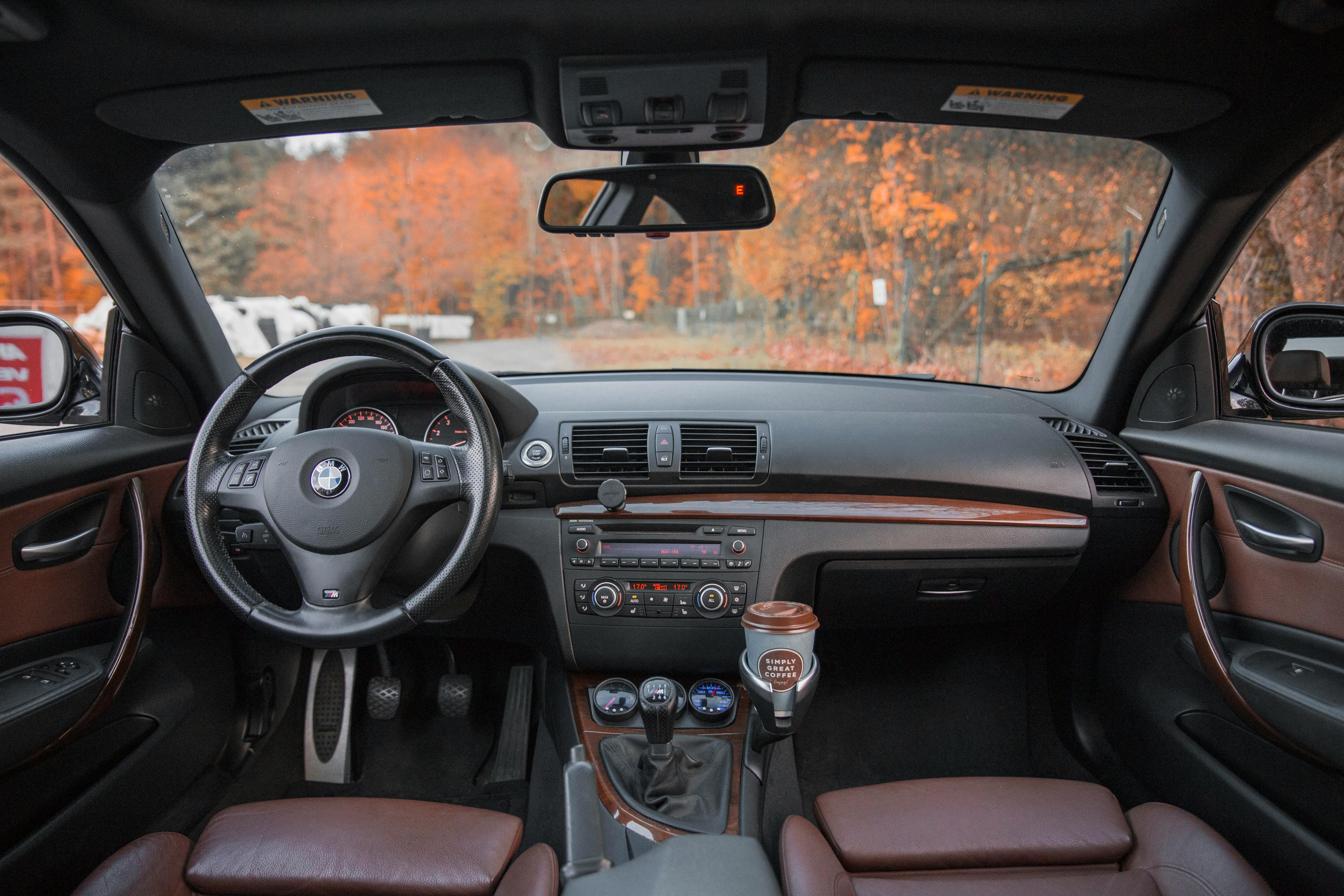
A small look into the place we forget the most — and what it quietly reveals about how we live inside our cars.
.jpg)
Discover how each season affects your car and learn simple, science-backed ways to protect it year-round—from pollen to road salt.