7 Top Car Detailing Services 2025 for San Diego Owners
Added to
Zs Clean BlogDecember 18, 2025

Brandon Mateo

Japan

3 Member

2.9k likes

Master the essentials of car odor removal so you can make smarter decisions backed by ZSC Auto Care.


If you live in San Diego, you know the combo of coastal air, blazing sun, and dusty roads can make a car cabin smell like low tide met hot plastic. You might reach for the best car air freshener and hope it fixes everything. I have been there too, after a chai latte exploded on a summer afternoon and baked under the windshield. But masking a problem is not the same as solving it. Today, let’s talk about what actually removes odors in Southern California realities and how to keep your car smelling clean for the long haul.
First, odors are chemistry. Heat from our year-round sun vaporizes residue from spills, sweat, pet dander, and even plastics, then those molecules get trapped in seats, foam, and carpet. Salt air and marine layer moisture feed mildew in cabin corners and under floor mats, especially when morning fog meets a closed-up car. Add dust from Santa Ana winds, and you have a perfect recipe for stubborn smells. Industry data suggests interiors can reach 140 degrees Fahrenheit in direct sun, which accelerates off-gassing and intensifies odor release. So while a perfume disc can distract your nose, the source keeps singing.
Here is the kicker for San Diego drivers: humidity swings plus heat help tiny odor compounds bind deeper into textiles. Think of it like espresso on fabric rather than water. According to indoor air guidance often cited by the EPA (United States Environmental Protection Agency), volatile organic compound build-up rises in enclosed spaces without adequate ventilation. That is why cracking windows at sunrise, running your fan on fresh air, and replacing your cabin air filter makes such a difference. And when the source is organic, like milk or seafood brine, the only true fix is removal and neutralization, not cover-up.
Fast Guide: Common San Diego Odors and What Actually Works Odor Source Where It Hides Primary Fix Time To Resolve Salt air and mildew Under mats, headliner edges, trunk carpet Dry out, targeted cleaners and steam, ventilation 1 to 3 sessions Food and dairy spills Seat foam, seatbelt fabric, carpet backing Extraction, enzyme-based treatment, repeated flush Single deep clean to 2 weeks for stubborn cases Smoke residue Headliner, HVAC (heating, ventilation, and air conditioning) ducting, plastics Interior-safe degreaser, HVAC deodorizing via fresh-air intake 1 to 2 visits plus follow-up Pet odor Carpet pile, foam, cargo liners Hair removal, enzyme-based treatment, extraction 1 to 3 sessions Moisture from surf gear Trunk well, folded seat seams Drying protocol, mildew neutralizer, airflow Same day to several daysRemove trash, gym bags, surf towels, and random cargo. Odors love clutter because it traps moisture and blocks airflow. Bag everything, then wipe down hard surfaces so you are not guessing where the smell originates. Quick win: leave doors open for five minutes in the shade to purge stale air before you start cleaning.
Use a crevice tool to chase sand and dog hair from seams, rails, and carpet edges. A high-efficiency particulate air vacuum (high-efficiency particulate air vacuum) or a shop vac with a motorized brush lifts dander that holds odor. Slow strokes matter more than power. You are pulling out the tiny stuff that keeps bringing the smell back.
For milk, coffee, sweat, or pet accidents, an enzyme-based cleaner breaks down proteins so they cannot rot and re-odor. Lightly apply, let it dwell based on the label, then extract. Remember, more product is not more effective. It is about coverage and contact time, not soaking foam.
This is the step that most people skip. A proper extractor flushes residues out of carpet and seat foam instead of pushing them deeper. If you do not own one, this is where a mobile detail by trained techs pays off because the process is methodical and safe for modern interiors.
Steam dislodges gunk in cupholders, seat tracks, and around the shifter where sugary spills hide. Keep the nozzle moving and avoid sensitive screens. Steam’s heat helps lift odor molecules and makes wipe-downs more effective without leaving excess water behind.
If it smells when you turn on the fan, your filter might be loaded with dust, pollen, and moisture. Inspect it and replace if needed—either as a DIY task or through your preferred service provider. Consider a carbon-impregnated element for smoke-prone areas. Some filters add a light antimicrobial layer, which can help slow mildew growth in damp seasons.
Set your fan to fresh air, not recirculate, and spray a dedicated HVAC-safe deodorizer into the cowl intake at the base of the windshield. Run heat, then cool, to move it through vents. This targets that mystery smell that appears only when the fan runs.
Odor-absorbing bags or similar products adsorb odor molecules without adding fragrance. They are great post-clean for trunks, cupholders, or under seats. In coastal zones, swap them every few months since humidity reduces effectiveness over time.
Ozone machines can neutralize stubborn odors but must be used by trained pros with vehicle-empty, safety-first protocols. Incorrect use risks rubber, adhesive, or sensor damage. For most cars, a correct deep clean plus ventilation beats ozone every time.
Use interior protectants that are manufacturer-recommended and low in volatile organic compound (volatile organic compound) content so they do not add scent. Seal fabrics with a breathable guard to prevent future spills from soaking deep. Protection makes the next clean faster and the cabin fresher.
Crack the windows at sunrise when the air is cool, shake out the mats, and run the fan on fresh air for one minute before you drive. These tiny habits prevent the tide line of salt and dust from building up. Consistency is the secret weapon.
To help you better understand best car air freshener, we've included this informative video from Pan The Organizer. It provides valuable insights and visual demonstrations that complement the written content.
Once you remove the source, a well-chosen fragrance can feel like the finishing touch. But choose based on your lifestyle, not just a scent name. Are you a daily commuter parking in direct sun near the bay, a weekend surfer, or rideshare? Each situation has different heat cycles, humidity, and airflow, which change how a fragrance behaves. Use the quick comparison below to match your cabin and habits.
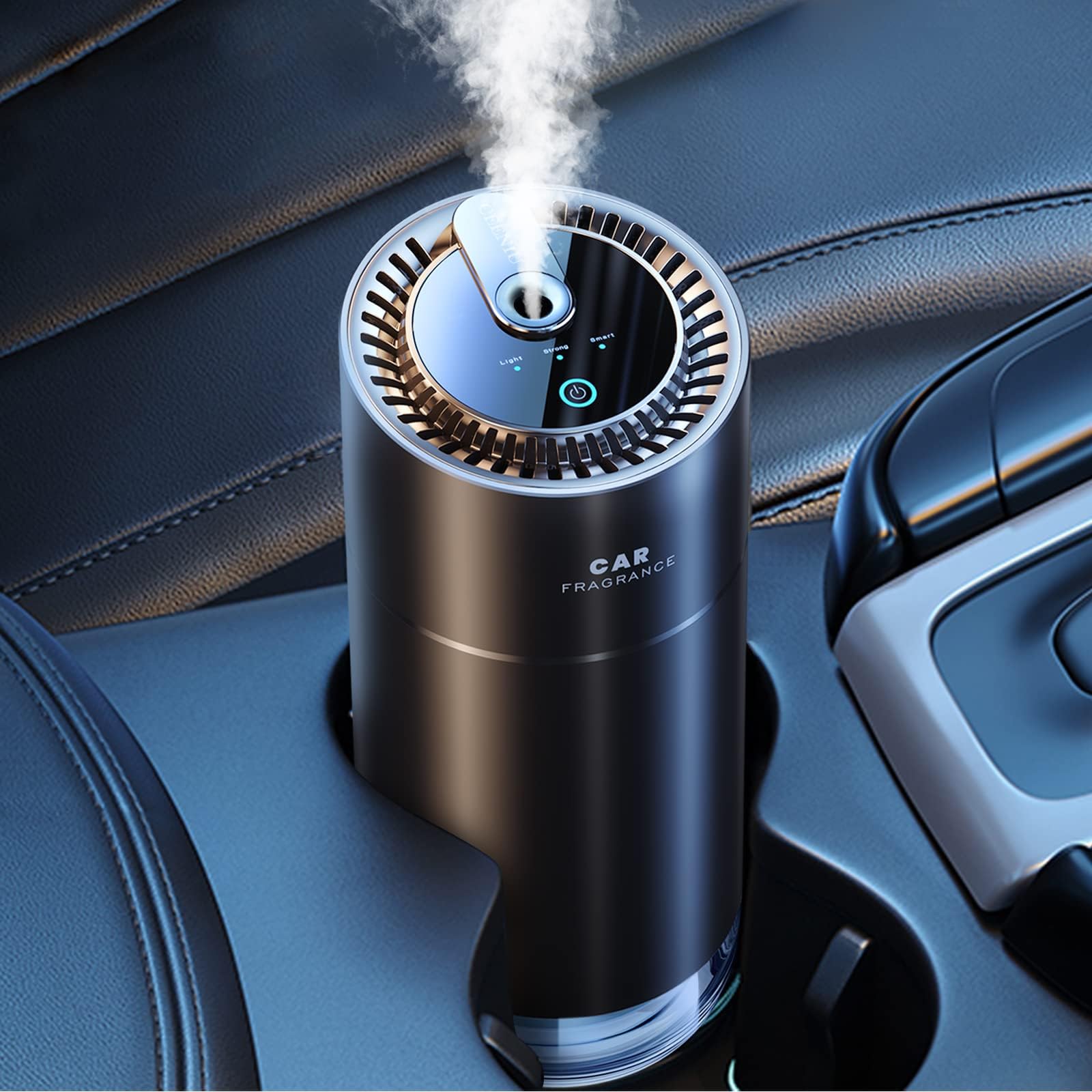
Freshener Types Compared for San Diego Conditions Type Longevity Strength Heat Resistance Best For Notes Hanging card 1 to 2 weeks High first 48 hours Poor in peak sun Short-term boost Can fade fast and leave residue on nearby plastics if touching Vent clip 2 to 6 weeks Adjustable Moderate Daily commuters Avoid blocking airflow during defog season Gel can 3 to 8 weeks Moderate Good Hidden under seats Heat can dry gel quickly if left in direct sun Essential oil diffuser Varies by refill Low to medium Fair Sensitive noses Choose low volatile organic compound (volatile organic compound) oils and avoid oversaturation Odor-absorbing bag 1 to 3 months Neutral, not scented Excellent Odor control post-clean Recharge in sun briefly, then cool before placing back Enzymatic deodorizer spray As needed Targeted Good Pet and food accidents Use as a cleanup step rather than a daily fragranceMy rule of thumb is simple. If your car bakes on a driveway all day, avoid high-sugar fragrances and sticky cards that can leave film. If you park in structured shade, a vent clip or gel can is usually stable. And if family members are scent-sensitive, go fragrance-free with an odor absorber while you focus on cleaning the source. Remember, the best car air freshener is the one that complements a clean cabin, not replaces cleaning.
ZSC Auto Care (Zs Clean) is San Diego-based and built for our unique climate. Here is how we tackle odor when a quick wipe is not cutting it. First, we map the source using moisture meters and a nose that has seen it all, from bait-juice leaks in fishing wagons to spilled oat milk under third-row seats. Then our in-house trained technicians with hands-on training move through a system: fabric-safe enzyme-based treatments, careful hot water extraction, HVAC deodorizing via fresh-air intake, and inspection for filter replacement. We finish with interior protection using top-tier, manufacturer-recommended products, never low-grade or off-label experiments.
Why that matters here: San Diego’s coastal air, year-round sun, and dusty roads accelerate wear, fading, and damage. Many owners struggle to find trustworthy providers because the industry is crowded with untrained technicians, poor workmanship, cheap failing products, and high-pressure sales tactics. Zs Clean addresses these problems by offering mobile, professional detailing focused on paint correction and ceramic coating to protect vehicles. They employ in-house trained technicians, use premium products, operate in controlled workspaces for consistent quality, provide honest, personalized recommendations and maintain transparent pricing with no upselling. For odor removal, we bring the same philosophy to your driveway or our clean, controlled workspace for complex jobs.
A surfer’s wagon came to us with a sweet, sour note after a wetsuit bag leaked into the spare tire well. The well looked dry but the foam underlay was soaked. We lifted the trim, extracted brine from the foam, treated with an enzyme-based solution, and forced airflow through the cavity while the sun was high but the car sat shaded. Forty-eight hours later, neutral air. The owner now uses a cargo liner and hangs gear before loading, because prevention beats reaction every time.
Another favorite was a rideshare hybrid that smelled like coffee and mystery musk whenever the fan kicked on. The cabin air filter was packed and sticky, and the headliner had fine smoke residue from a previous owner. We performed a careful headliner wipe with an interior-safe degreaser, deodorized the HVAC (heating, ventilation, and air conditioning) system on fresh air, and recommended replacing the cabin air filter. According to driver feedback and passenger ratings, the car’s freshness score climbed immediately, which tracks with studies from DOT (United States Department of Transportation) showing drivers spend 300 hours a year in vehicles. Pleasant air matters to how you feel behind the wheel.
Odor control is easier when you work with the seasons. Spring brings pollen and onshore breeze moisture. Summer means ultraviolet heat that bakes in spills. Fall often pushes dry dust and ash with Santa Ana winds. Winter mornings invite marine layer dampness that settles into floor mats. A light, consistent plan keeps the cabin smelling clean without heroics.
Seasonal Odor Prevention Checklist Season Main Risk Quick Habit Detailing Move Spring Pollen and mildew Crack windows in the morning for 5 minutes Inspect/replace cabin filter and steam-clean mats Summer Heat-driven off-gassing Use a windshield shade to lower temps Deep extract seats and apply fabric guard Fall Dust and ash Vacuum crevices weekly Odor-absorber refresh and HVAC deodorizing Winter Marine layer moisture Dry mats outside the car after rain Enzyme treat trunk and spare tire wells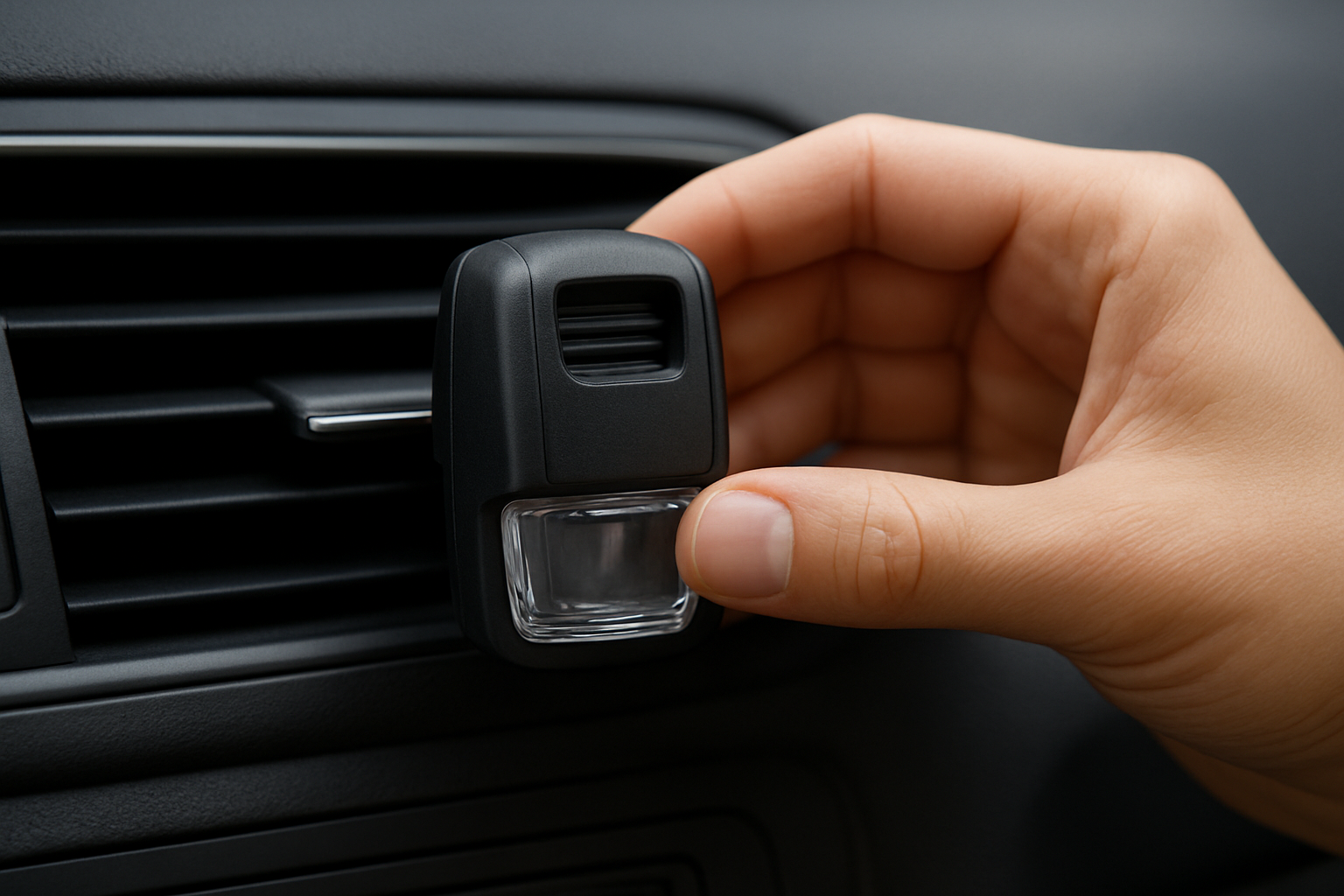
No. Fragrance masks. Odor removal means extracting and neutralizing the source. Then a light scent can help the cabin feel finished without shouting.
In trained hands, ozone can neutralize stubborn smells, but incorrect use risks material damage. We prefer targeted cleaning first, with ozone only as a last resort and with strict safety protocols.
Dry mats outside the vehicle, avoid leaving wet gear in the trunk, use fresh-air mode on cool mornings, and consider a short odor-absorber deployment after any spill. Moisture control is everything.
Body oils and sunscreen can sour in heat. Clean with a pH-balanced leather cleaner, wipe seams, and protect with a breathable conditioner. Avoid heavy gloss that can trap residues.
For San Diego conditions, a quarterly interior detail plus your weekly two-minute ritual is a smart baseline. Families with pets or surf gear may want a quick monthly maintenance visit.
ZSC Auto Care (Zs Clean) brings mobile detailing to your driveway, so you do not lose hours in traffic or waiting rooms. We specialize in interior and exterior detailing, paint correction, and ceramic coating for long-term protection from sun, salt, and dust. Our team is trained in-house, works with top-tier, manufacturer-recommended products, and operates in clean, controlled workspaces for consistent results. You get transparent pricing, zero upselling pressure, and honest recommendations tailored to your car and lifestyle.
Real talk, the hardest part of car ownership here is trusting that a provider will do the job right. We fix the root problem, not just the symptoms, and we stand behind the work. If your cabin smells off today, we will find why. If your paint is dull, we will show you the correction path and how ceramic protection shields it from the same sun that makes cabins hot. You deserve a car that looks and smells like new, without the stress.
Smells are solvable. With the right steps and San Diego-specific habits, you will not have to hide behind a perfume card again. And yes, once things are clean, choosing the best car air freshener becomes a fun finishing decision, not a desperate cover-up.
Fresh air in your car comes from removing the source, then protecting surfaces so odors cannot claim a home again.
Imagine the next 12 months with a cabin that stays neutral through foggy mornings, beach days, heat waves, and dust without fuss.
What one habit will you start this week so your ride smells as good as it looks, and which best car air freshener will you choose once the cabin is truly clean?
Explore these authoritative resources to dive deeper into best car air freshener.
ZSC Auto Care brings trained technicians and products to your driveway, pairing best car air freshener guidance with honest, lifestyle-tailored care that protects interiors and paint for San Diego drivers.
Book Odor ServiceGet car care tips and updates you’ll actually use.