10 Unbelievable Things a Car Detailer Found (And Lived to Tell the Tale)
Added to
Zs Clean BlogOctober 27, 2025

Brandon Mateo

Japan

3 Member

2.9k likes

Get proven strategies for 7 Unique Water Stain Remover Tricks Mobile Detailers Use to Protect San Diego Cars so you can make smarter decisions backed by…


San Diego sun, ocean air, and canyon dust create the perfect storm for hard water spots. If you have ever woken up to chalky rings on your hood after a windy night, you know that panic. The right unique water stain remover is not just a product, it is a smart process tuned to our coastal conditions. At ZSC Auto Care, we bring that process to your driveway so salty mist, sprinkler overspray, and reclaimed water minerals do not etch into your paint while you are at work or enjoying the beach.
Here is the honest truth: many stains are removable, but some spots leave microscopic etching that only polishing can correct. That is why a pro-level approach blends chemistry, temperature control, and safe machine techniques. In this guide, you will learn seven field-tested tricks mobile detailers in San Diego use every week, plus how to keep spots from returning in our year-round sun. Ready to stop scrubbing and start restoring?
Between salt-laden breezes, sprinkler systems, and high mineral content, San Diego vehicles face constant spot pressure. When water evaporates on hot panels, minerals like calcium and magnesium crystallize and bond to paint, glass, and trim. Add UV (ultraviolet) heat and those deposits can bite into clear coat, creating etching shadows that look like ghosts of the original droplet. Municipal water can have varying TDS (total dissolved solids) levels, while ocean spray adds sodium and chloride that bake into surfaces on summer afternoons.
That mix explains why the same cleaning trick that worked in a cooler inland city can fail here. The goal is to dissolve or dislodge minerals without scouring delicate finishes. Think targeted chemistry first, then minimal abrasion, and only later—if needed—measured polishing. The table below maps common San Diego spot sources to risks and smart first moves, so you are not guessing with your paint or glass.
Common San Diego Water Spot Sources and First-Response Playbook Source Typical Minerals Main Risk First Move When to Escalate Sprinkler overspray Calcium, magnesium, silica Etching on hot panels Cool panel, apply a short-dwell, manufacturer-approved mineral remover performed by trained technicians, rinse and dry Machine polish if shadows remain Ocean mist and salt fog Sodium, chloride Corrosion on trim; crusty glass Freshwater rinse, pH-neutral cleaner, dry with drying aid Glass-specific polish if spotting persists Reclaimed water spray High TDS (total dissolved solids), silica Rapid bonding to glass and paint Mild, manufacturer-approved cleaner applied by trained technicians, clay on paint only, re-lubricate often Paint correction then ceramic coating Dust + dew cycle Silicates, soils Micro-marring during wipe-off Rinse first, foam soak, soft media wash, then inspect Light polish if marring appearsThese are the precise, field-proven moves we use on San Diego driveways every week. Each trick is designed to be safe, efficient, and aligned with top-tier manufacturer guidance so you get results without risking your finish.
To help you better understand unique water stain remover, we've included this informative video from Edge Cleaning Clips. It provides valuable insights and visual demonstrations that complement the written content.
Heat is the enemy. Before any unique water stain remover touches the surface, pros cool panels with a gentle rinse, park in shade, and verify temperatures by touch or with a quick-read thermometer. This prevents chemistry from flashing off and locking minerals in place. You will be surprised how many “stubborn” spots lift easily once you control panel temperature.
Instead of scrubbing, detailers use short-dwell, manufacturer-approved mineral removers applied by trained, paint-safe technicians to dissolve mineral crystals without running into crevices. Product consistency and controlled application matter: short dwell times, gentle agitation with soft applicators, and a thorough freshwater rinse and dry. If a shadow remains, do not repeatedly reapply aggressive chemistry; move to controlled polishing performed by a professional.
On paint, bonded mineral crust responds well to a fine-grade clay used with a slick clay lube. Claying removes what chemistry loosened, lowering the workload on polish. Only then do we switch to a finishing polish on a soft foam pad to erase any faint halos. This sequence preserves clear coat thickness and avoids grinding minerals into the surface.
Glass behaves differently from paint. Stubborn silica spots on windshields yield to a dedicated glass polish and a tight, low-speed pass—often with a rayon or cork-backed pad—keeping RPM (revolutions per minute) conservative and the section size small. We mask surrounding trim and monitor heat, because glass can build temperature quickly. The win is crisp clarity without hazing.
Mobile pros bring their own water and use spot-minimizing rinse methods and drying aids when appropriate to reduce spotting. A quick wrap-up with a drying aid and a plush towel locks in a hydrophobic layer that buys you time in the next sun cycle. It is a lifesaver during Santa Ana winds when dust finds every surface.
Inspection guides the plan. We sweep panels with LED (light-emitting diode) lighting to reveal remaining halos and check clear coat safety using a PTG (paint thickness gauge). If readings suggest thin clear, we pivot to a super-fine polish or skip to protection. Data-driven passes beat guesswork—especially on repainted panels or delicate edges.
Once the surface is corrected, a ceramic coating creates a dense, slick barrier that slows mineral bonding and makes rinse-offs easier. In San Diego’s sun and salt, this is huge: you get less spotting, faster drying, and months to years of protection depending on the system. Paired with smart washing, coating turns a chronic problem into a quick wipe-down.
Some spots vanish with a careful driveway process; others demand pro tools and training. The key is knowing where your vehicle falls on that spectrum. If a quick vinegar test removes a small area on cool paint, you might not need machine work. But if you see dull halos after cleaning, that is etching—abrasion will be required, and doing it safely means understanding pads, polishes, and finish limits. Many of the chemical and machine steps described in this guide should be left to trained technicians who follow paint‑safe protocols.
DIY vs Pro Approaches to Water Spot Removal in San Diego Scenario DIY Move Time Success Likelihood Main Risk Pro Upgrade Fresh sprinkler spots on cool paint Rinse, mild cleaner wipe, rinse with distilled water, dry 20–30 min High Over-dwell causing streaking Short-dwell professional mineral removal and spot-minimizing rinse Ocean mist crust on glass pH-neutral glass cleaner, clay, careful wipe 30–45 min Medium Micro-scratches from dirty clay Glass polish, dedicated pads, masked trim Silica-heavy reclaimed water on hot hood Cool panel, mild cleaner wipe, re-wash 45–60 min Low to Medium Etching remains visible Machine finishing polish or two-step correction Old spots with cloudy halos Hand polish 60–90 min Low Uneven finish, arm fatigue Measured machine polish with PTG (paint thickness gauge) checks Aftercare to keep spots away Drying aid, soft towels, shade parking 10–15 min High None Ceramic coating for longer protectionIf you are unsure, there is an easy test: after cleaning, mist with distilled water and dry. If faint circles reappear as matte halos at certain angles, that is etching. In those cases, a light machine polish eliminates the shadow and restores clarity without over-cutting. It is also where experience matters: knowing when to stop is everything.
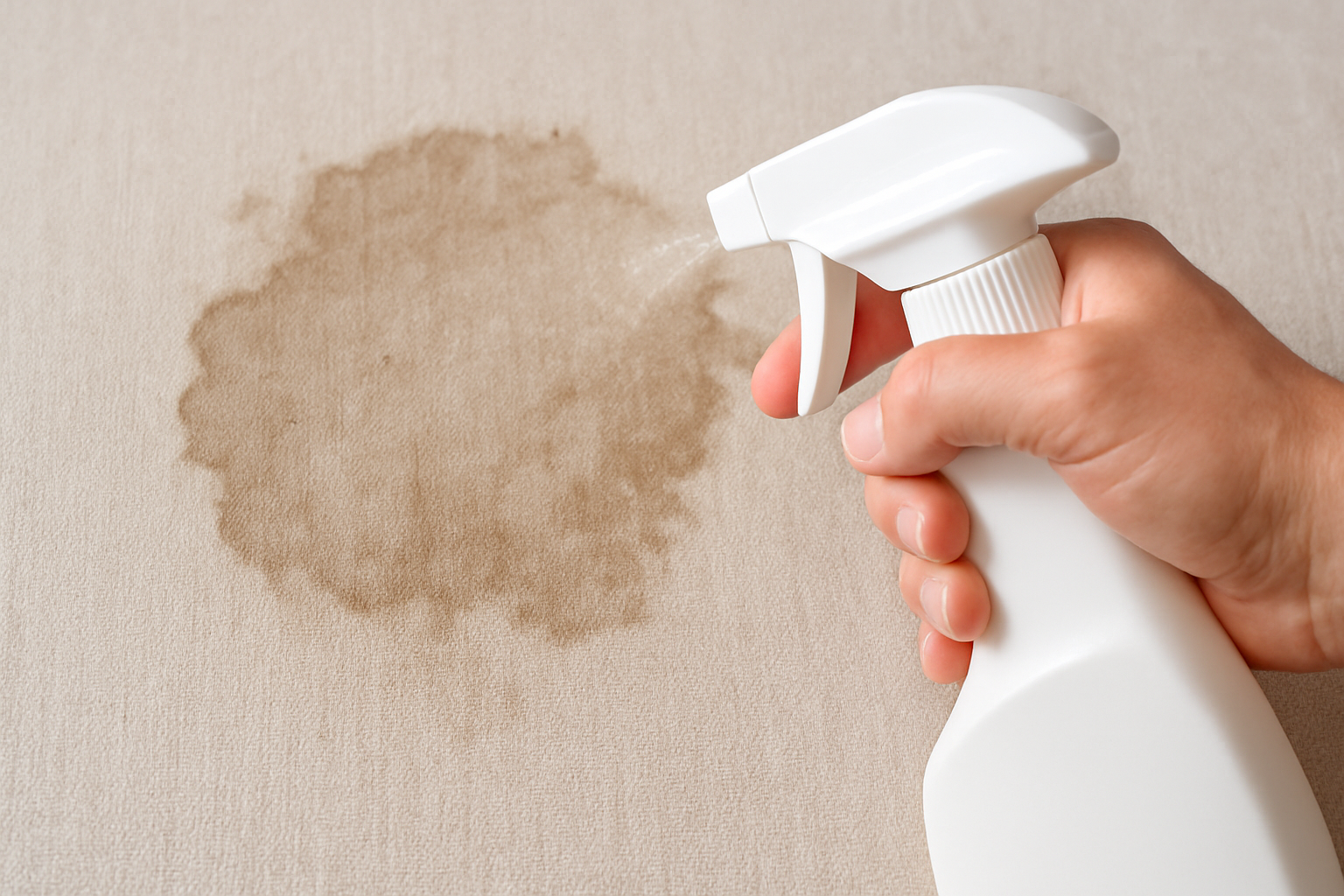
Preventing spots beats removing them, especially in coastal neighborhoods from Oceanside to Imperial Beach. Your game plan should target the three big forces here: minerals, salt, and sun. First, put a hydrophobic sacrificial layer on the car—wax is fine, sealant is better, and a ceramic coating is best in our climate. Second, optimize your wash and rinse routine so you are not reintroducing minerals that bake onto hot panels at noon.
Practical moves you can start this week:
Want to future-proof? A well-installed ceramic coating creates tighter water beading and makes rinse-offs nearly effortless. According to paint manufacturer testing, coated surfaces can reduce mineral adhesion dramatically, meaning fewer opportunities for etching during heat spikes. Pair that with spot-minimizing rinse practices and you can go months without seeing a new spot, even in peak summer.
San Diego’s coastal air, year-round sun, and dusty roads accelerate wear, fading, and mineral damage. Many drivers also face a second challenge: finding people they can trust around their paint. The industry is crowded with untrained technicians, poor workmanship, cheap failing products, and high-pressure sales tactics. ZSC Auto Care was built to be the exact opposite—mobile, skilled, honest, and equipped.
Here is how we solve the problem, one driveway at a time:
Real example: a white daily driver from La Jolla spent two weeks parked near a reclaimed-water lawn. The hood and glass wore gray halos that survived home washing. We cooled the paint, applied a controlled, manufacturer-approved cleaner (performed by trained technicians), clayed the hood, and performed a single finishing polish, then sealed it with a ceramic coating. Under LED (light-emitting diode) lights, the halos were gone and beading was tight and uniform. Weeks later, the owner reported marine-layer mornings no longer left a chalky veil.
Consistency saves both clear coat and cash. Follow this San Diego-centric cadence to minimize spot risk without living in your driveway. It blends what we see in the field with simple habits you can actually keep up.
San Diego Spot-Prevention Schedule When Action Why It Helps Time Pro Tip After beach or misty mornings Freshwater rinse, quick dry Removes salt before sun bakes it 10–15 min Use distilled or low-mineral water if possible Weekly Cool-panel wash, drying aid Breaks mineral bonds, adds slickness 30–45 min Wash early; avoid sprinkler hours Monthly Inspect glass and hood under LED (light-emitting diode) Catches early halos before etching deepens 5–10 min Spot-treat with a mild, manufacturer-approved cleaner if needed Every 6 months Decon wash and clay Removes bonded contamination 60–90 min Top with sealant or booster Annually Professional inspection and polish Resets gloss; verifies coating health Half day Ask for PTG (paint thickness gauge) readingsSmall choices pay off: parking two spaces away from a talkative sprinkler, washing at sunrise, or keeping a gallon of distilled water in the trunk for emergency rinses can prevent hours of correction later. And if you are coated, a quick pro check-in each year keeps the layer performing like new.
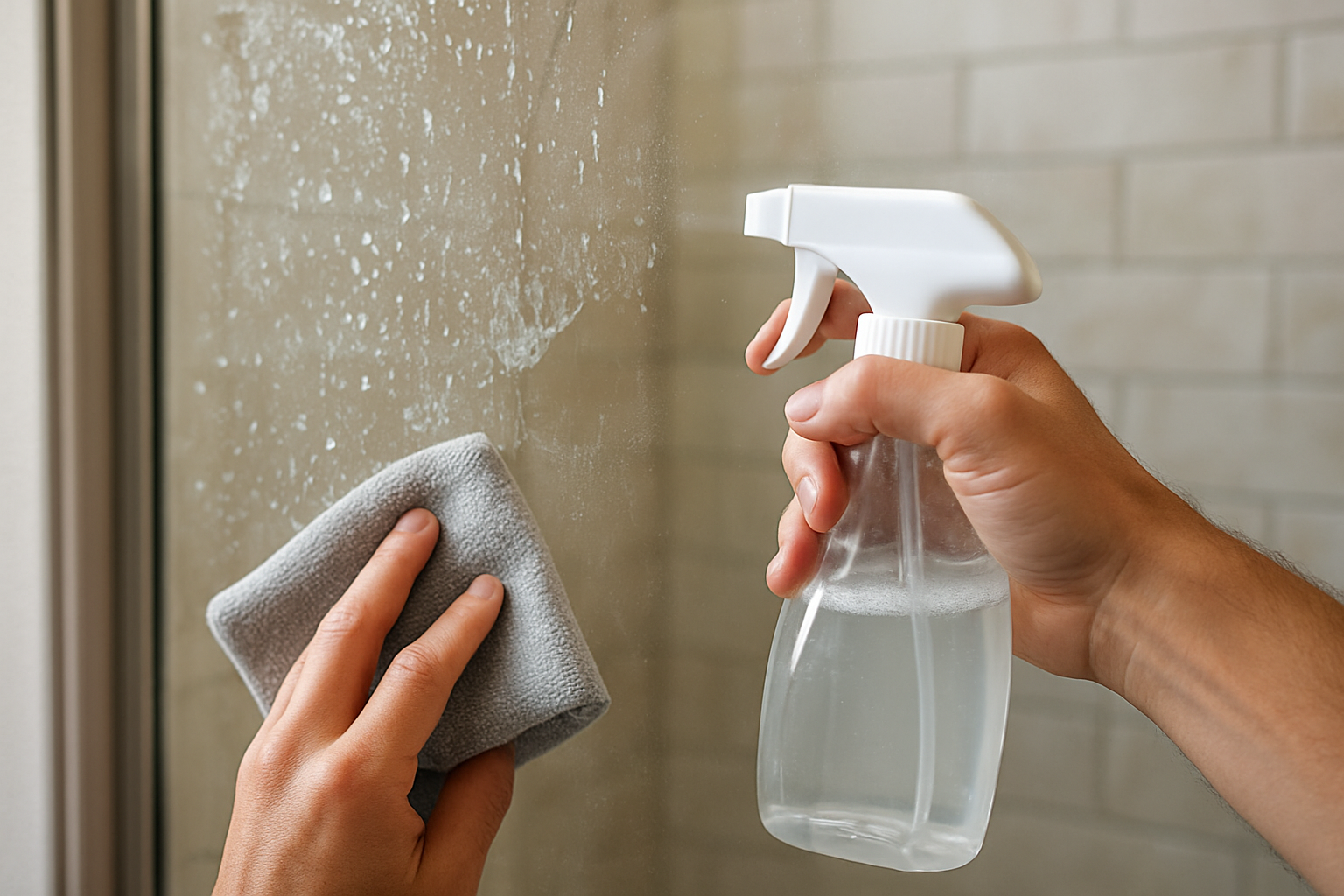
Do vinegar or household acids always work? They help on fresh mineral deposits when used carefully on a cool surface, but they cannot fix etching. Will a ceramic coating stop spots forever? No coating makes a car invincible, but a quality system dramatically slows bonding and makes removal easy. Can glass etching be reversed? Minor haze can be polished; severe wiper trails or deep etching may require replacement. What about matte paint? Skip abrasive polishing and use manufacturer-approved chemistries only—this is a great time to call a pro.
One more tip: if your home sprinklers are the culprit, angle heads away from the driveway or program short cycles at night when you are not parked. If you manage the source, every other step gets easier.
Water spots are inevitable here, but long-term scars are not. With the seven tactics above, you can dissolve, lift, and polish safely—and then shield your paint against the next salty breeze or midday sprinkler pass. And if you want a partner who will do the heavy lifting while you tackle your to-do list, ZSC Auto Care brings the process and products to your curb with the kind of transparency the industry needs more of.
We believe convenience should not compromise quality. That is why our in-house trained team follows OEM (original equipment manufacturer) guidance, uses carefully vetted chemistries, and works in clean, controlled setups for consistent results. Whether you need a swift driveway rescue or a full paint correction and ceramic coating, the right plan will keep your car looking fresh far beyond summer.
Still wondering how pros decide what to do on your car? We start with a quick story-driven decision tree. If a black coupe in Mission Beach shows fresh white rings after a lawn-watering mishap, cooling and a short-dwell, manufacturer-approved mineral remover applied by trained technicians will usually clear the slate in under an hour. If a silver SUV from East County arrives with month-old halos, a finishing polish restores gloss and removes shadows in a single step. If a glass pano-roof is crusted with silica, we do a dedicated glass polish session and top with a hydrophobic sealant designed for glass.
From there, we discuss lifestyle. Do you park under sprinklers twice a week? Drive the Silver Strand daily? Store your surfboard on the rack? Honest recommendations beat blanket packages. Some owners benefit most from a one-time correction plus a durable ceramic layer. Others just need a seasonal decon and smart rinses. Either way, you get clear expectations, transparent pricing, and zero pressure to buy things you do not need.
By now, you have seen why a unique water stain remover is really a system—cool panels, precise chemistry, gentle mechanics, and smart protection layered for San Diego’s salt-and-sun reality. Adopt even three of the seven tricks and your car will look better immediately, then better still each month as you stay ahead of new deposits. And with ceramic coating and spot-minimizing rinse practices, your weekly wash becomes a quick, satisfying ritual rather than a frustrating chore.
Ready for the next step? If our climate throws curveballs, your routine should hit back: shaded washes, early rinses, and a coating that shrugs off minerals. Imagine never dreading foggy mornings or rogue sprinklers again. Which trick will you try first, and where could a pro’s unique water stain remover workflow save you the most time?
Explore these authoritative resources to dive deeper into unique water stain remover.
Mobile detailing delivered to your location (driveway) tackles coastal air, sun, and dust with paint correction and ceramic protection for San Diego owners, enthusiasts, and busy pros seeking trustworthy care.
Remove Water SpotsGet car care tips and updates you’ll actually use.